 listicle
Top 5 Energy Efficient Pool Pumps for Residential Use 2026
Table of Contents
- Energy Efficient Pool Pumps: What Matters Most
- Quick Comparison Table
- Best Variable-Speed Pool Pump Options for 2026
- ENERGY STAR Pool Pumps: Certification and Real Savings
- Understanding Pool Pump Energy Cost and Operating Expenses
- Residential Pool Pump Sizing: Getting the Right Horsepower
- How We Evaluated These Pumps
- Which Pump Should You Choose?
- Frequently Asked Questions
Last Updated: October 13, 2026
Energy Efficient Pool Pumps: What Matters Most
When you're looking at the top 5 energy efficient pool pumps for residential use, you're not just shopping for equipment, you're making a decision that affects your electricity bills for the next five to ten years. Pump selection matters as much as the pool itself.
The right energy efficient pool pump reduces operating costs significantly compared to older single-speed models. But here's what most guides miss: the cheapest pump upfront often costs the most over time.
The core question isn't which pump has the lowest price tag. It's which pump delivers the best balance of energy savings, reliability, and compatibility with your specific pool setup.
Quick Comparison Table
| Pump Model | Type | Horsepower | Best For | Key Advantage |
|---|---|---|---|---|
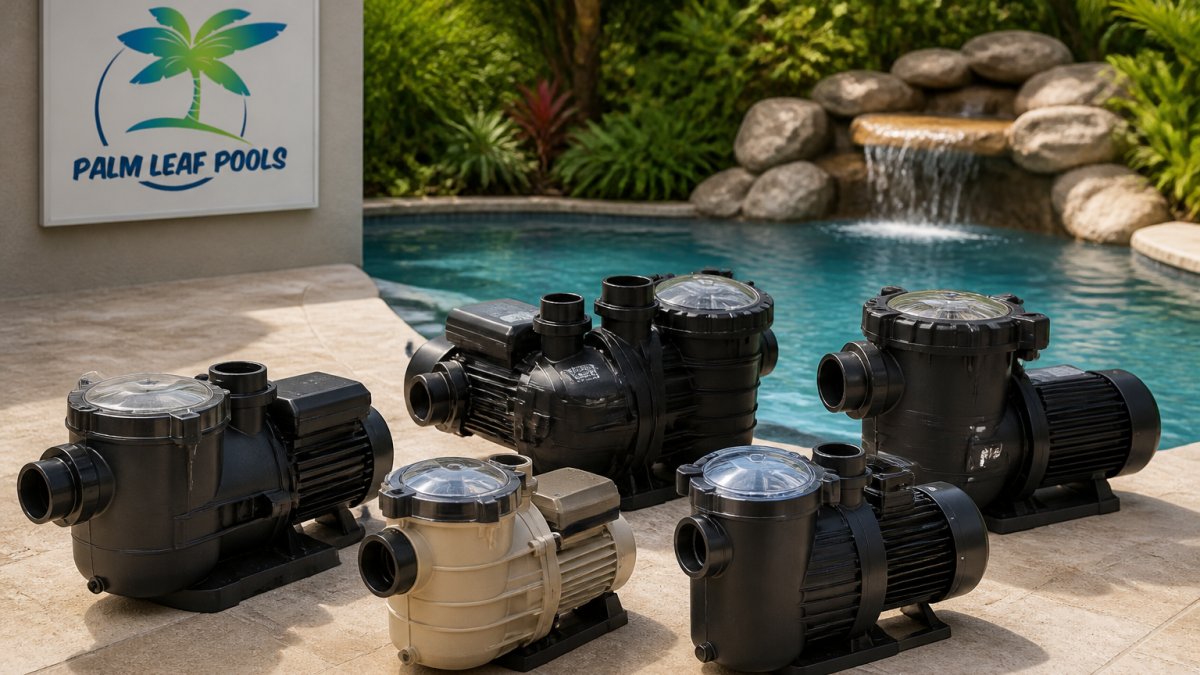
| Hayward Super Pump Variable Speed | Variable-Speed | 1.65 HP | Most residential pools | Broad compatibility, proven reliability |
| Pentair IntelliFlo3 VSF | Variable-Speed | Variable | Advanced automation | Smart controls and efficiency |
| Hayward TriStar VS 950 Omni | Variable-Speed | Variable | High-efficiency priority | Premium efficiency rating |
| Jandy VS FloPro 2.7 HP | Variable-Speed | 2.7 HP | Larger pools | Higher flow capacity |
| AquaStrong 3HP VS Pump | Variable-Speed | 3 HP | Large residential pools | Competitive pricing at higher capacity |
Best Variable-Speed Pool Pump Options for 2026
Variable-speed pumps dominate the market for good reason. They adjust motor speed based on actual pool circulation needs rather than running at full power constantly. This flexibility is what makes them energy efficient pool pumps, the technology cuts electricity consumption substantially compared to single-speed alternatives.
Hayward Super Pump Variable Speed (1.65 HP)
The Hayward Super Pump Variable Speed stands out as the best overall choice for most residential pools. This pump balances proven reliability with practical energy efficiency for typical backyard installations.
At 1.65 horsepower, this model handles standard residential pools without oversizing, a common mistake that wastes energy. The variable-speed design lets you program different flow rates for different times of day.
What works: The Hayward brand has decades of residential market presence, and this model integrates easily with existing plumbing. Parts are widely available. The variable-speed motor adjusts to match your pool's actual circulation needs rather than running at fixed power.
What doesn't: This pump requires proper sizing to your pool volume and filter type. If your pool is significantly larger than standard, you may need more horsepower. Installation should account for your existing plumbing configuration.
Pentair IntelliFlo3 VSF
The Pentair IntelliFlo3 VSF brings smart automation to residential pool pump operation. This variable-speed, variable-flow pump lets you program multiple speed schedules and adjust them remotely through compatible control systems.
This pump appeals to homeowners who want to optimize energy efficient pool pumps through active management. You can set different speeds for cleaning cycles, maintenance, and recreation periods. The VSF designation means it adjusts both speed and flow independently, giving you granular control over energy consumption.
What works: The automation features appeal to tech-forward homeowners. Integration with pool control systems means you can adjust settings without manual intervention. Pentair's reputation for quality engineering is well-established.
What doesn't: Smart controls add complexity and cost. If you prefer a straightforward pump without automation, the extra features may not justify the investment. Integration depends on having compatible control hardware already in place.
Hayward TriStar VS 950 Omni
The Hayward TriStar VS 950 Omni targets buyers prioritizing maximum efficiency. This variable-speed pump is engineered specifically for energy performance, making it an excellent choice if reducing electricity consumption is your primary goal.
The TriStar line has built a strong reputation in the residential market. The VS designation confirms variable-speed operation, and the 950 Omni variant represents Hayward's premium efficiency offering.
What works: Efficiency ratings on this pump exceed most competitors in its class. Hayward's engineering focuses on minimizing energy waste while maintaining adequate circulation. The residential pool pump sizing on this model suits standard backyard installations.
What doesn't: Premium efficiency comes with premium pricing. If your budget is tight, less expensive variable-speed options may meet your needs adequately. The efficiency gains become most apparent over several years of operation.
Jandy VS FloPro 2.7 HP
The Jandy VS FloPro 2.7 HP steps up in capacity for larger residential pools or those with high-resistance filtration systems.
At 2.7 horsepower, this pump suits pools in the 20,000 to 30,000 gallon range or installations with sand filters that create significant back pressure. The variable-speed technology still applies, you're not locked into running at maximum power constantly.
What works: The horsepower rating gives you headroom for larger pools without undersizing. Jandy equipment integrates well with many existing residential pool systems. The variable-speed design still delivers energy savings compared to fixed-speed alternatives.
What doesn't: Higher horsepower means higher maximum electricity draw, though variable-speed operation keeps typical usage reasonable. This pump is overkill for smaller pools. Proper sizing remains essential to avoid wasting energy on unnecessary capacity.
AquaStrong 3HP VS Pump
The AquaStrong 3HP VS Pump represents an alternative option for larger residential pools or installations requiring maximum circulation capacity. At three horsepower, this variable-speed pump sits at the upper end of typical residential sizing.
This model appeals to homeowners with larger pools, multiple water features, or complex plumbing configurations that create high resistance. The variable-speed capability means you're not committed to running at full 3 HP constantly, you can dial down to lower speeds for routine circulation.
What works: The horsepower capacity handles demanding residential applications. Variable-speed operation keeps energy costs reasonable despite the higher maximum rating. Competitive pricing at this capacity level offers value for larger installations.
What doesn't: This pump is unnecessarily powerful for standard residential pools. Oversizing wastes energy and money. Professional evaluation of your specific pool's needs is essential before choosing this capacity.
ENERGY STAR Pool Pumps: Certification and Real Savings
ENERGY STAR certification identifies pool pumps that meet strict efficiency standards set by the U.S. Environmental Protection Agency (Pool Pumps).
Several of the pumps on this list carry ENERGY STAR certification, including the Pentair IntelliFlo3 VSF and Hayward TriStar VS options. This certification matters because it provides third-party verification of efficiency claims rather than relying solely on manufacturer specifications.
The certification process requires pumps to meet specific efficiency metrics under standardized testing conditions. This gives you confidence that the energy savings claims are based on real performance data, not marketing estimates.
Homeowners often ask whether ENERGY STAR certification justifies the higher purchase price. The answer depends on your local electricity rates and how many years you plan to operate the pump.
Understanding Pool Pump Energy Cost and Operating Expenses
The purchase price of a pump represents only the first part of total cost of ownership. Operating expenses, primarily electricity consumption, often exceed the initial investment over the pump's lifetime.
A typical residential pool pump runs six to eight hours daily during swimming season, though many homeowners run them year-round. At 1.5 to 2 horsepower, a single-speed pump might consume 1,500 to 2,000 watts continuously.
The difference compounds quickly. If your local electricity rate is 12 cents per kilowatt-hour, running a single-speed pump eight hours daily costs roughly $40 to $50 monthly during season.
Many residential pool owners discover that energy efficient pool pumps pay for themselves through electricity savings within three to five years. After that payback period, you're essentially running the pool with dramatically reduced operating costs.
Residential Pool Pump Sizing: Getting the Right Horsepower
Choosing the correct horsepower represents one of the most important decisions in pump selection. Undersizing creates inadequate circulation; oversizing wastes energy and money.
Professional pool sizing calculations consider pool volume, filter type, and desired turnover rate.
A standard residential pool of 15,000 to 20,000 gallons usually requires 1.5 to 2 horsepower with a sand filter. Pools with cartridge filters may need slightly less horsepower since they create less back pressure.
The most common mistake is oversizing the pump. A 3 HP pump on a 15,000-gallon pool wastes energy every single day it operates. You're paying for capacity you don't need. Conversely, undersizing creates poor circulation, water quality issues, and potential equipment strain.
How We Evaluated These Pumps
Our selection process focused on real-world performance, reliability, and practical energy savings for typical backyard installations.
We considered variable-speed technology as the baseline for modern energy efficient pool pumps. Single-speed pumps no longer represent a reasonable choice for new installations given the clear efficiency advantages of variable-speed alternatives.
Evaluation of pumps often includes manufacturer specifications, ENERGY STAR certification status where available, and residential pool professional feedback. Reliability and parts availability are weighted heavily, as an efficient pump that breaks down frequently costs far more than the electricity it saves.
Practical installation factors are also considered. The best pump means nothing if it doesn't integrate with your existing plumbing and equipment. Models that work across diverse residential pool configurations are often preferred over specialized options suited to specific applications.
Which Pump Should You Choose?
Start with your pool's specific characteristics: volume, filter type, existing plumbing, and how many hours daily you operate circulation. These factors determine your actual horsepower needs.
For most residential pools in the 15,000 to 25,000 gallon range with standard sand filters, the Hayward Super Pump Variable Speed at 1.65 HP delivers excellent balance of efficiency, reliability, and cost. This pump handles typical residential needs without oversizing.
If your pool exceeds 25,000 gallons or you have high-resistance filtration, step up to the 2.7 HP Jandy or 3 HP AquaStrong options.
The Hayward TriStar VS 950 Omni appeals to efficiency-focused homeowners who want premium performance and aren't constrained by budget.
Remember that energy efficient pool pumps represent an investment in reduced operating costs, not just equipment. The right pump choice compounds into significant savings over years of operation.
Choosing energy efficient pool pumps requires balancing upfront cost against years of electricity savings. Ready to upgrade your pool's efficiency and reduce monthly operating costs? Contact Palm Leaf Pools today for expert guidance on selecting the right pump for your residential pool setup.
Frequently Asked Questions
What is the most energy-efficient pool pump for a residential pool?
Variable-speed pumps like the Hayward Super Pump Variable Speed (1.65 HP) and Pentair IntelliFlo3 VSF are among the most energy-efficient options available. These pumps adjust their speed based on your pool's needs, reducing electricity consumption significantly compared to single-speed pumps. ENERGY STAR-certified models can deliver up to 90% energy savings versus traditional single-speed pumps. The best choice depends on your pool size, flow rate requirements, and budget.
Are variable-speed pool pumps more energy-efficient?
Yes. Variable-speed pumps operate at lower speeds during routine circulation, consuming far less electricity than single-speed pumps that run at full capacity constantly. This efficiency difference translates directly to lower energy bills. Most variable-speed residential pool pumps can run at multiple programmed speeds throughout the day, optimizing energy use while maintaining proper water circulation and filtration. The payback period typically ranges from 1-3 years depending on local electricity rates and your pump's runtime.
How much electricity does a pool pump use per month?
Total monthly energy cost depends on your pump's horsepower, runtime schedule, efficiency rating, and regional electricity prices. Running your pump at lower speeds during off-peak hours reduces consumption further.
What size pool pump do I need for my pool?
Pool pump sizing depends on your pool volume and desired water turnover rate. Most residential pools need a turnover rate of 6-8 hours, meaning the pump should circulate your entire pool volume in that timeframe. Calculate your pool volume in gallons, divide by the desired turnover hours (typically 8), then divide by 60 to get required gallons per minute (GPM). For example, a 20,000-gallon pool needs roughly 42 GPM, which typically requires a 1.5-2 HP pump. Consult with a pool professional if your pool has unusual features or filtration requirements.
Are ENERGY STAR certified pool pumps worth it?
ENERGY STAR-certified pool pumps typically cost more upfront but deliver substantial long-term savings through reduced electricity consumption. Many homeowners recoup the higher purchase price through lower monthly energy bills. Additionally, some utility companies and state programs offer rebates for ENERGY STAR pool pump purchases, further improving the return on investment. For homeowners planning to keep their pools for several years, ENERGY STAR certification represents a sound financial decision beyond environmental benefits.