 listicle
Benefits of Professional Pool Maintenance Services
Table of Contents
- Why Professional Pool Maintenance Matters for Your Home
- What Does Pool Service Include
- Water Quality and Swimmer Safety Through Regular Maintenance
- Weekly Pool Maintenance Keeps Equipment Running Longer
- Pool Maintenance Costs vs. Emergency Repairs
- Creating a Pool Maintenance Checklist You Can Trust
- Time Savings and Peace of Mind
- Frequently Asked Questions
Last Updated: October 11, 2026
Why Professional Pool Maintenance Matters for Your Home
A well-maintained pool is the centerpiece of outdoor living, but keeping it safe and clean requires consistent attention. The benefits of professional pool maintenance services extend far beyond sparkling water, they protect your investment, ensure swimmer safety, and free up your time for actually enjoying your backyard. At Palm Leaf Pools, we help homeowners discover how professional pool maintenance transforms pool ownership from a burden into a pleasure.
Most pool owners underestimate what goes into year-round care. Water chemistry, equipment wear, debris accumulation, and early leak detection aren't one-time tasks, they demand weekly attention and technical knowledge. When these responsibilities fall on you, they often get delayed or overlooked. Professional pool maintenance services handle this complexity systematically, catching small problems before they become expensive repairs.
What Does Pool Service Include
Professional pool service is much more than skimming leaves, but what exactly gets done depends on your pool type, season, and service frequency. Understanding the scope, and what's excluded, helps you compare providers fairly and avoid surprises.
Standard Weekly Maintenance Visit
A typical weekly maintenance visit for a residential pool covers:
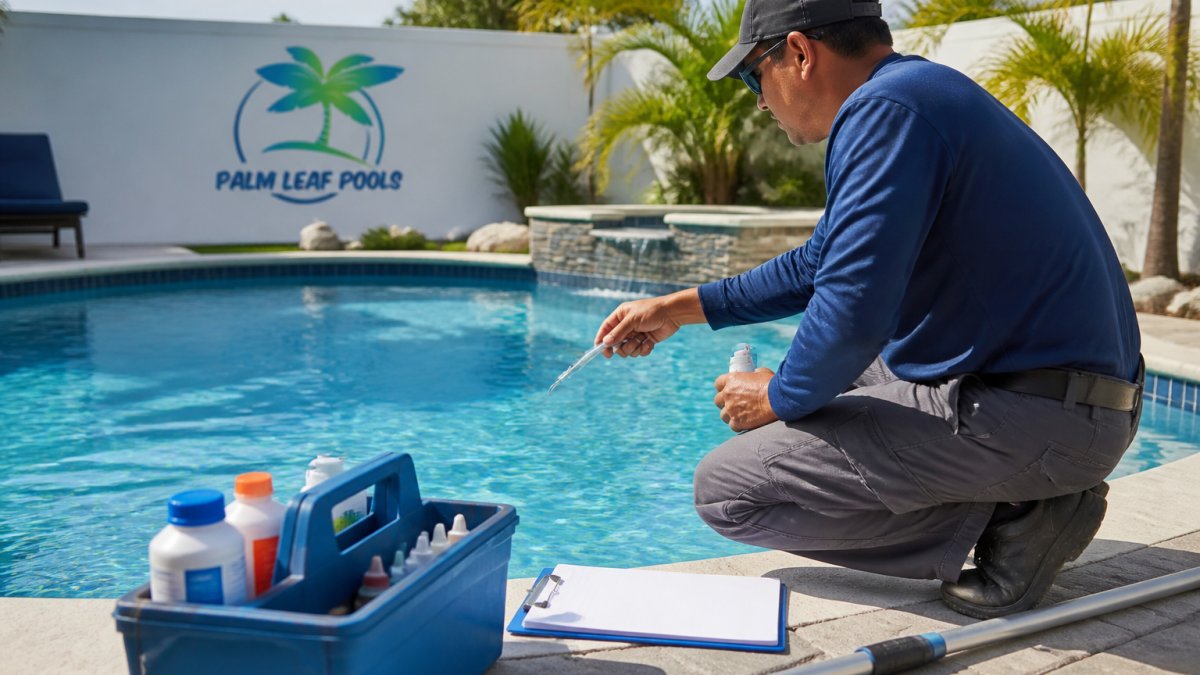
- Water testing and chemical balancing, Technician tests chlorine, pH, alkalinity, and stabilizer levels using calibrated test kits or digital meters, then adjusts chemicals in real time.
- Debris removal, Skimming surface debris, vacuuming the pool floor, and emptying skimmer baskets to maintain circulation.
- Filter inspection and cleaning, Checking filter pressure gauge; backwashing or cartridge cleaning if pressure exceeds manufacturer threshold (typically 15-20 PSI above clean baseline).
- Equipment inspection, Visual check of pump operation, leak detection around seals and unions, and verification that circulation flow matches normal baseline.
- Brush and wall treatment, Brushing walls and steps to prevent algae and calcium buildup, especially in high-traffic areas.
- Water level adjustment, Topping off water lost to evaporation or splash-out to maintain proper skimmer function.
What's Typically NOT Included
Most standard weekly services exclude:
- Equipment repair or replacement (pump, filter cartridge, heater repair).
- Acid washing or deep chemical shock treatments (usually billed separately).
- Tile or interior surface cleaning beyond routine brushing.
- Drain cleaning or plumbing work.
- Seasonal opening or closing (often a separate service package).
- Saltwater cell cleaning (for saltwater chlorine generators; usually quarterly or as-needed).
Seasonal and Climate Adjustments
Service scope shifts with weather and pool use:
Spring (opening season): Includes equipment startup, filter inspection after winter storage, acid wash if needed, and initial chemical balancing. Often billed as a one-time opening service rather than standard weekly maintenance.
Summer (peak use): Weekly visits increase in frequency or duration due to higher debris load, more frequent chemical adjustments, and increased equipment strain. Some providers recommend twice-weekly service during heavy-use periods.
Fall (transition): Debris removal intensifies as leaves accumulate; some providers add extra skimming or leaf-net installation to the standard visit.
Winter (closing season): In cold climates, closing service includes equipment winterization, drain-down procedures, and chemical shutdown. In mild climates, maintenance continues year-round but may reduce frequency if the pool is not actively used.
Service Tiers and Customization
Reputable providers offer tiered options:
- Basic tier: Weekly water testing, chemical balancing, and debris removal only (no equipment inspection or detailed reporting).
- Standard tier: Full weekly maintenance as described above, with written service reports.
- Premium tier: Includes equipment diagnostics, energy-efficiency recommendations, saltwater cell or heater maintenance, and priority scheduling.
Your pool's age, size, equipment complexity, and use intensity determine which tier makes sense. A new pool with a variable-speed pump and heater may benefit from premium service; a simple above-ground pool may thrive on basic service.
Transparency and Accountability
When evaluating a provider, ask for:
- A detailed service checklist showing every task performed during a visit.
- Written water-test results (not just "water looks good").
- A photo or written report of any issues found, with recommendations and estimated costs.
- Clarity on what happens if equipment fails during a service visit (is diagnosis included? repair costs separate?).
- Service frequency options and how pricing scales if you add or reduce visits.
Transparent providers document each visit and explain findings in plain language. This builds confidence that your pool is genuinely being cared for, not just visited.
Water Quality and Swimmer Safety Through Regular Maintenance
Safe swimming water depends on precise chemical balance. Untreated water develops parasites, bacteria, and algae that create health risks and cloudy, uninviting conditions. Regular maintenance prevents swimmer's itch and other water-related illnesses by maintaining proper sanitizer levels and pH balance (the CDC).
Professional testing catches imbalances that the naked eye cannot detect. A technician uses calibrated equipment to measure chlorine, pH, alkalinity, and other critical markers. They adjust chemicals in real time rather than guessing based on appearance. This consistent approach keeps water crystal clear and genuinely safe for families and guests.
Weekly Pool Maintenance Keeps Equipment Running Longer
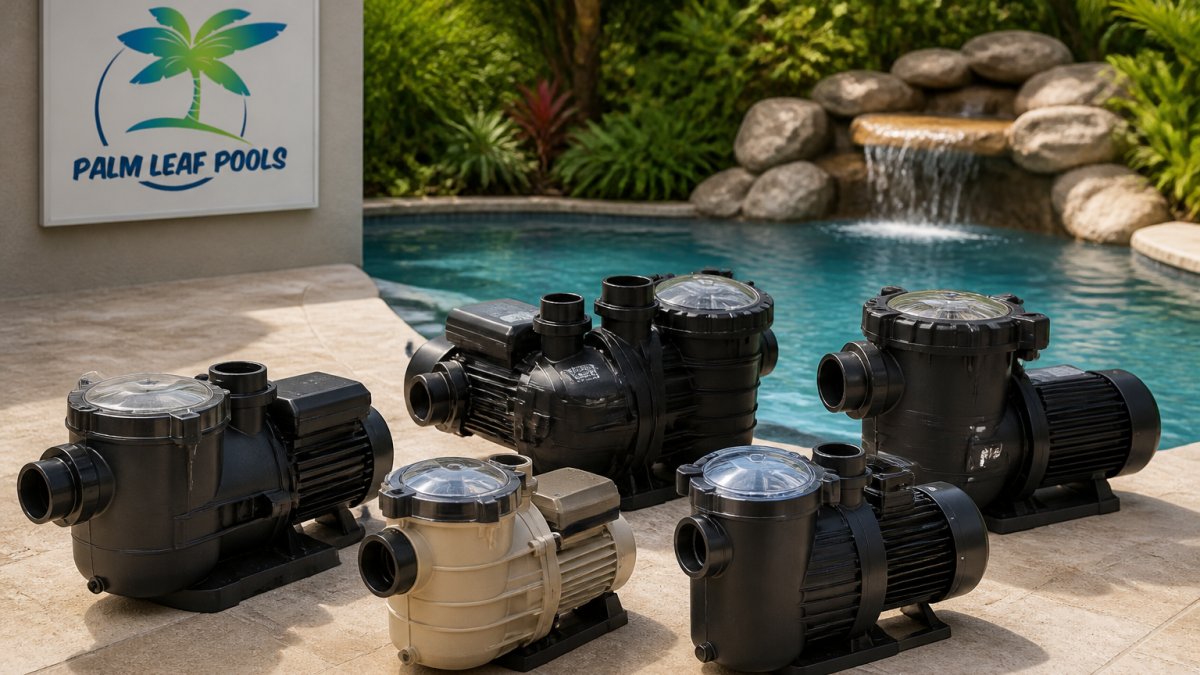
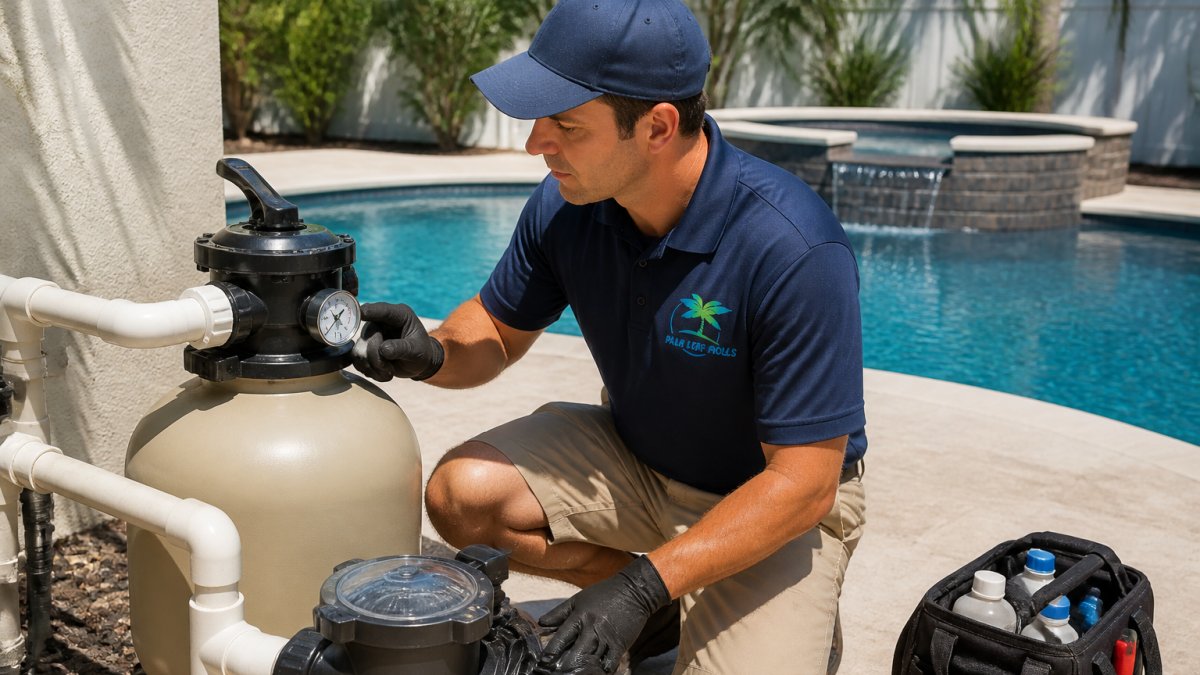
Your pump, filter, and circulation system are expensive. A pump replacement can cost thousands of dollars. Weekly pool maintenance extends equipment lifespan by catching wear early and preventing the strain that leads to failure.
During each visit, a technician inspects pump operation, filter pressure, and circulation flow. They clean the filter before it becomes clogged, a clogged filter forces the pump to work harder and fail sooner. They check for leaks that, if left undetected, drain water and force the pump to run dry. These small preventive actions add years to equipment life.
Pool Maintenance Costs vs. Emergency Repairs
The financial case for professional pool maintenance is strong, but it requires understanding both the ongoing cost and the emergency-repair baseline you're protecting against. Here's how to think about the math.
Typical Professional Maintenance Pricing
Weekly pool maintenance service costs vary by pool size, service tier, and specific needs. Contact us for a personalized quote.
These figures assume a residential in-ground pool (15,000-20,000 gallons). Above-ground pools typically cost 20-30% less; larger or more complex pools may cost more.
The Emergency-Repair Baseline
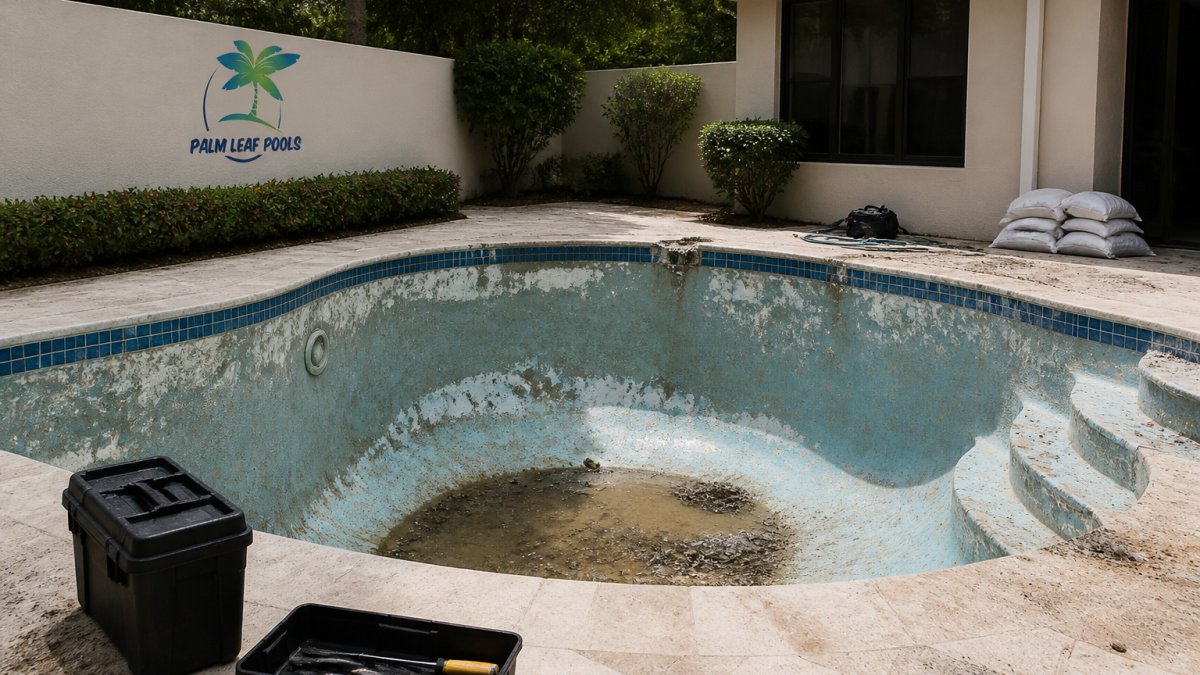
Without professional maintenance, common failures can lead to significant repair costs, such as pump replacement, filter cartridge or media replacement, and various leak repairs. Neglected issues like algae blooms or equipment corrosion in saltwater pools can also result in substantial expenses.
The Return-on-Investment Calculation
Consider the long-term financial benefits of professional maintenance. Preventing a single major repair, such as a pump failure or structural leak, can offer a significant return on investment. Additionally, extending the lifespan of your equipment through consistent care means avoiding premature replacement costs, demonstrating that professional maintenance often pays for itself over time.
In practical terms: Preventing one major repair can offset the cost of several months of professional service. While many pool owners may experience significant failures without consistent maintenance, professional service aims to significantly reduce that risk.
DIY vs. Professional: The Hidden Costs of DIY
Some homeowners attempt DIY maintenance to save money. The apparent savings are misleading:
- Time cost: Proper weekly maintenance takes 2-4 hours per week (testing, chemical adjustment, cleaning, equipment inspection). Over a year, that's 100-200 hours. At an hourly rate, the perceived DIY "savings" can diminish when you account for the value of your time.
- Calibration and accuracy: Consumer test kits are less accurate than professional-grade equipment. Homeowners often over-correct chemical imbalances, damaging equipment or irritating skin. A single over-chlorination incident that requires equipment repair can eliminate months of DIY savings.
- Early-warning blindness: Homeowners rarely catch subtle equipment wear (bearing noise, seal weeping, pressure creep) until failure occurs. Professionals spot these signs and prevent failures; DIY owners face emergencies.
- Seasonal complexity: Opening and closing a pool correctly requires knowledge of local climate, equipment winterization, and chemical procedures. Mistakes during opening or closing can lead to costly repairs.
The Peace-of-Mind Premium
Beyond dollars, professional maintenance provides:
- Liability protection: If a guest becomes ill from unsafe water, professional maintenance records demonstrate due diligence. DIY maintenance offers no such defense.
- Warranty compliance: Many pool equipment warranties require professional maintenance documentation. DIY maintenance can void warranties, leaving you unprotected if equipment fails.
- Predictable budgeting: Professional service is a fixed monthly cost. Emergency repairs are unpredictable and often occur at inconvenient times (mid-summer, before a party).
Creating a Pool Maintenance Checklist You Can Trust
Transparency matters. You should know exactly what happens during each service visit and why it matters. A trustworthy pool service provides a detailed checklist of tasks performed, water test results, and observations about equipment condition.
Palm Leaf Pools communicates every finding clearly. We explain what we're doing, why it's necessary, and what you should expect next. If we notice early signs of a problem, we tell you immediately so you can plan for repairs rather than face surprises. This approach builds confidence that your pool is genuinely being cared for, not just visited.
| Maintenance Task | Frequency | Purpose |
|---|---|---|
| Water testing and chemical adjustment | Weekly | Ensures safe, balanced water chemistry |
| Debris removal and skimming | Weekly | Prevents algae and maintains clarity |
| Filter cleaning | Weekly to monthly | Maintains circulation and system efficiency |
| Equipment inspection | Weekly | Catches leaks and wear early |
| Brush and vacuum | Weekly | Prevents algae and maintains appearance |
Time Savings and Peace of Mind
Pool ownership without professional maintenance demands hours each week. Testing water, balancing chemicals, cleaning filters, skimming debris, and troubleshooting equipment problems consume time most homeowners would rather spend with family or on other priorities.
Professional pool maintenance reclaims that time. You stop worrying about whether the water is safe, whether the filter needs cleaning, or whether a small problem will become a major failure. The service arrives on schedule, handles everything, and reports back. You simply enjoy your pool.
Professional pool maintenance services protect your investment, ensure swimmer safety, and eliminate the stress of pool ownership. At Palm Leaf Pools, we provide expert weekly maintenance, transparent communication, and reliable service that keeps your backyard oasis safe and beautiful year-round. Learn more about water safety standards from the CDC. Call today to schedule your first service and discover why homeowners across the Dallas-Fort Worth area trust Palm Leaf Pools for dependable, expert pool care.
Frequently Asked Questions
What does a typical pool service visit include?
A standard professional pool maintenance visit typically covers water testing and chemical balancing, debris removal through skimming and vacuuming, filter cleaning and inspection, brushing pool walls, equipment performance checks, and leak detection. The technician tests pH and sanitizer levels to ensure safe swimming conditions and addresses any equipment issues found during the visit. Most services also document their work so you have a record of maintenance performed.
How often should I schedule professional pool maintenance?
Weekly pool maintenance is the standard recommendation for most residential pools, especially in warm climates. This frequency prevents algae growth, maintains proper chemical balance, catches equipment problems early, and ensures consistent water clarity. For pools in extreme heat or heavy use, more frequent visits may be needed. Your service provider can recommend the ideal schedule based on your pool type and local conditions.
Can professional pool maintenance really prevent expensive repairs?
Yes. Regular maintenance catches small issues like pump wear, filter degradation, and early leaks before they become costly problems. Professional technicians spot circulation issues, equipment performance drops, and water chemistry imbalances that, if left untreated, lead to algae blooms, equipment failure, or structural damage. Early detection through consistent service typically costs far less than emergency repairs or equipment replacement.
How much does professional pool maintenance cost compared to doing it yourself?
Pool maintenance costs depend on your pool size, service frequency, and specific needs. While professional service requires an investment, it eliminates the time you'd spend on testing, chemical balancing, equipment maintenance, and troubleshooting. Most homeowners find that the time savings, equipment protection, and prevention of costly repairs justify the service cost. Contact us for a quote based on your specific needs.