 listicle
Signs Your Pool Needs Remodeling: A 2026 Guide
Table of Contents
- Visible Cracks in the Pool Shell and Surrounding Concrete
- Rough, Pitted, or Flaking Pool Surfaces
- Persistent Stains and Discoloration That Resist Cleaning
- Leaks and Unexplained Water Loss
- Water Quality Problems and Chemical Imbalances
- Aging Equipment and Outdated Design
- Repair vs. Remodeling: When to Choose Each
- Pool Remodeling Cost and Timeline Expectations
- Frequently Asked Questions
Last Updated: October 12, 2026
Visible Cracks in the Pool Shell and Surrounding Concrete
Visible cracks in your pool shell or surrounding concrete are among the clearest signs your pool needs remodeling. They signal structural problems that worsen as hairline fractures expand with temperature swings or ground settling.
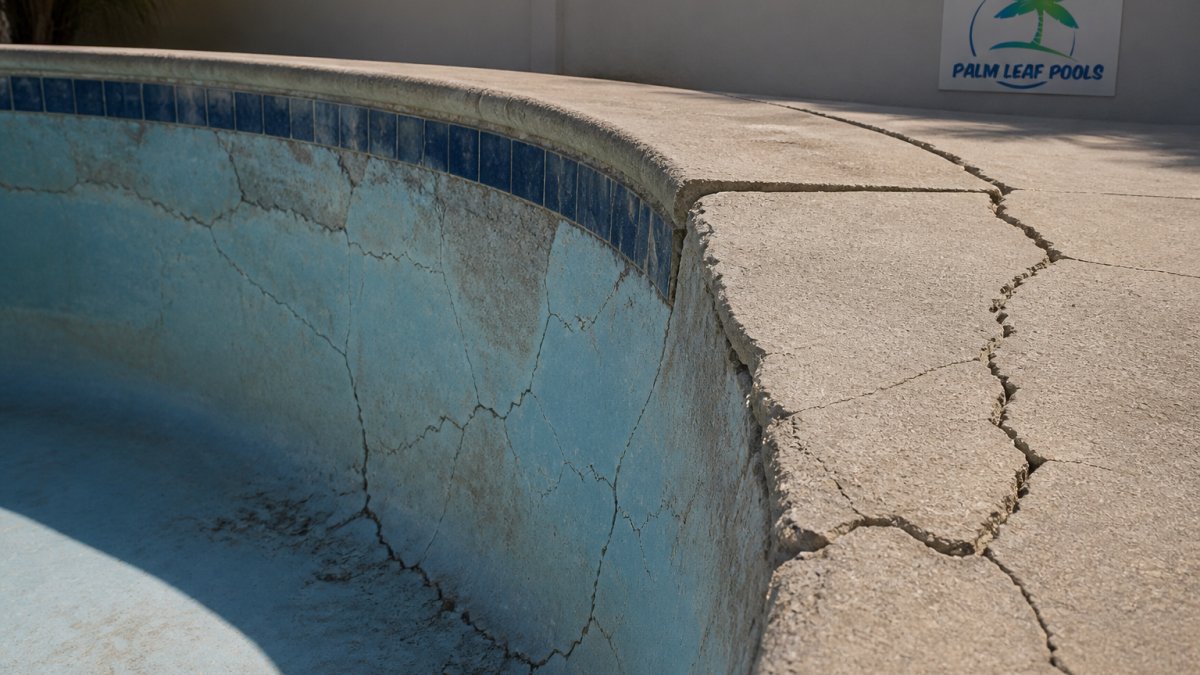
Cracks fall into two categories: hairline fractures (under 1/8 inch) and structural cracks (1/4 inch or larger). Both let water seep behind the shell, causing further deterioration.
Pool deck concrete cracks from ground movement, freeze-thaw cycles, or settling. Water infiltration then becomes a serious concern.
Repair versus remodel depends on crack severity and location.
Rough, Pitted, or Flaking Pool Surfaces
A rough pool surface isn't just uncomfortable, it's a warning sign.
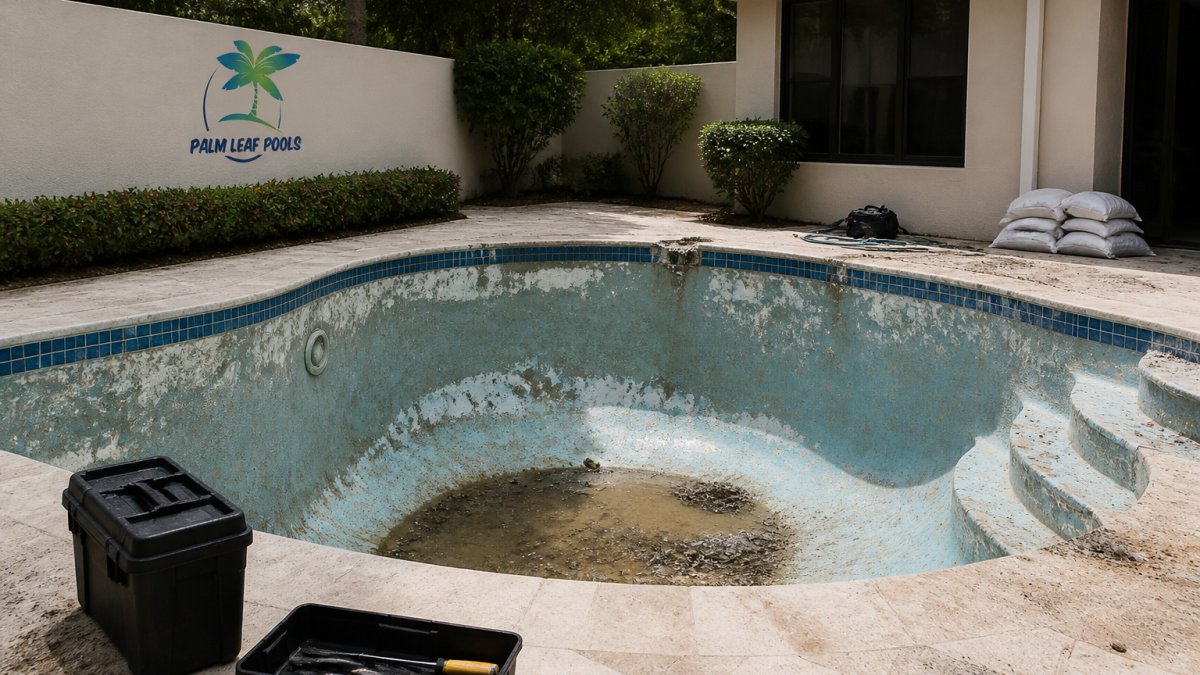
Pitting occurs when plaster loses its seal and breaks down into small holes.
Chalking is another sign of failure: white residue rubs off the wall, meaning the plaster is oxidizing and the finish has served its useful life.
These issues create two problems: rough surfaces scratch skin, and water penetrating the protective layer accelerates structural damage underneath.
Persistent Stains and Discoloration That Resist Cleaning
Stains that won't come clean despite regular brushing and chemical treatment are a classic sign your pool needs remodeling.
Deep stains include rust from metal components, copper from corroded equipment, and organic stains from leaves or debris.
Stubborn discoloration also signals porous, aging plaster.
The real issue isn't the stains but what they represent: permanent staining means your plaster has reached the end of its useful life.
Leaks and Unexplained Water Loss
Leaks are the most urgent sign your pool needs remodeling, and the one most often misread as "normal evaporation." Getting the diagnosis right determines whether you're looking at a $300 fitting repair or a shell-and-plumbing renovation.
Start with a real evaporation baseline
A pool loses water daily to evaporation, splash-out, backwashing, and normal use. With average sun and wind, most pools lose roughly 1/8 to 1/4 inch per day, higher in hot, arid, or windy conditions, lower in humid, shaded yards. A 1/4-inch daily loss on a 400-square-foot pool is about 62 gallons: alarming on the waterline tile, but normal.
The bucket test, done properly
A bucket test is the cheapest, fastest way to separate evaporation from a leak:
- Fill a 5-gallon bucket three-quarters full with pool water and set it on the first or second step, so both waters share the same temperature, sun, and wind.
- Mark the water level inside the bucket and the pool water level against the tile or tape.
- Run the pump normally for 24 hours. Do not top off the pool.
- Compare the two drops.
If the pool dropped roughly the same as the bucket, you're seeing evaporation. If it dropped 1/4 inch or more beyond the bucket, you have a leak. Repeat with the pump off: if the pool holds steady with the pump off but drops with it on, the leak is almost certainly in the plumbing or equipment loop rather than the shell.
Where leaks actually hide
Leaks cluster in predictable places, and the location tells you what project you're facing:
- Shell and surface leaks. Cracks in plaster, failed tile grout, or a compromised skimmer throat. Visible with the pump off, they usually point to a resurfacing or tile-and-coping project rather than a full structural remodel.
- Plumbing leaks. Underground return and suction lines, often at fittings or where the line meets the shell. They show up as unexplained water loss, soggy patches in the yard, or air in the pump basket, and typically require excavation or trenchless repair.
- Equipment and fitting leaks. Pump seals, valve O-rings, heater connections, and light niches. Cheapest to fix and rarely justify a remodel on their own.
When to call a leak-detection specialist
A bucket test tells you whether you have a leak, not where. If the pump-off test still shows abnormal loss, or you see a soggy spot, sinking deck, or air in the system, bring in a leak-detection specialist before authorizing any repair.
That diagnostic report is also the most useful document you can hand a remodeling contractor. It separates "this is a $400 fitting" from "this is a shell-and-plumbing renovation," preventing the most common homeowner mistake here: paying for a full remodel when a targeted repair would have solved the problem.
If the leak is isolated and the rest of the pool is sound, repair it and move on. If it's one of several symptoms, cracks, rough plaster, failing tile, aging equipment, the pool is due for a comprehensive remodel rather than another round of patches.
Water Quality Problems and Chemical Imbalances
Persistent water quality issues that don't improve with proper chemical treatment suggest underlying problems.
Cloudy water after balancing chemicals and running the filter may mean a failing filter or circulation issues.
Chemical imbalances become harder to manage as pools age. Corroded metal equipment can leach minerals into the water, making proper chemistry difficult to maintain.
Surface condition and water quality are directly linked.
Aging Equipment and Outdated Design
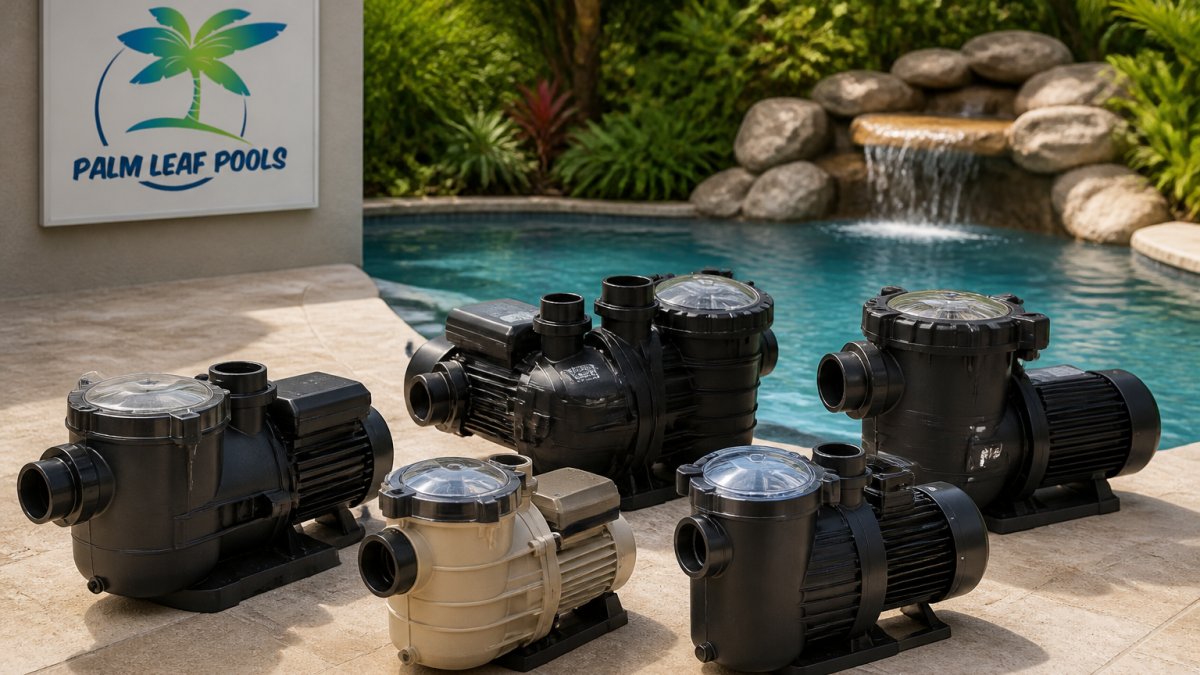
Pool equipment typically lasts 10-15 years before efficiency declines significantly.
Many homeowners also remodel because the design no longer fits their lifestyle.
Energy efficiency matters too. Modern equipment uses significantly less electricity, so a new pump, filter, or heater can substantially cut energy costs.
Aesthetics matter too. Faded plaster, outdated tile, or a design that clashes with modern landscaping diminish your home's appeal.
Repair vs. Remodeling: When to Choose Each
Repairs address specific, isolated problems: a single crack patched, a leaking pipe replaced, failed equipment swapped out.
Remodeling becomes the better choice when multiple issues exist simultaneously.
Consider the cost-benefit ratio: spending on repairs every season often exceeds the cost of a single remodeling project over a few years.
Your timeline matters too. If you plan to stay several more years and enjoy the pool regularly, remodeling makes sense.
Pool Remodeling Cost and Timeline Expectations
By the time you're reading this, you're deciding what level of work to authorize and what it will cost. Here's a framework for both.
First, decide which tier of work you actually need
Not every symptom calls for a full remodel. Most projects fall into one of three tiers, and matching symptom to tier prevents over- and under-spending:
- Targeted repair. One isolated problem, a single crack, a failed pump seal, a leaking fitting, a few loose tiles. The rest of the pool is sound and the finish has life left. Lowest cost tier, measured in days, not weeks.
- Resurfacing (with tile and coping). The shell and plumbing are structurally fine, but the plaster, aggregate, or tile finish has reached the end of its life, rough, pitted, stained, or chalky. This is the most common "remodel" for an otherwise healthy pool, and usually includes new waterline tile and coping because they fail on the same schedule as the finish.
- Full remodel. Multiple systems failing at once: shell cracks plus failing finish plus aging equipment plus outdated design. Includes structural repair, new finish, new tile and coping, equipment replacement, and often layout or feature changes.
A useful rule of thumb: one problem, repair it. Finish is the problem, resurface. Three or more problems across different systems, a full remodel is usually the better economic decision because the trades and draining are already mobilized.
What actually drives the cost
Remodeling costs vary widely by region, pool size, and finish, so any single number is misleading. What's more useful is understanding the drivers, because they're what you'll negotiate over:
- Pool size and shape. Square footage drives material and labor more than any other factor. A freeform pool with complex curves costs more to resurface than a same-size rectangle because of the extra prep and finish work.
- Finish type. The biggest single line-item swing. Plaster is least expensive; aggregate finishes (quartz or pebble blends) cost more up front but last longer; glass tile and natural stone top the range. The finish you choose also sets your next remodel date.
- Tile and coping. Often bundled with resurfacing. Natural stone and premium tile raise the total; standard ceramic and concrete coping keep it down.
Expected lifespan by finish, and why it matters here
Finish lifespan is the best tool for interpreting the symptoms in this article. If your surface is rough or stained but only a few years old, you may have a water-chemistry or equipment problem, not a worn-out finish. If the finish is at or past its expected life, the symptoms are simply the finish telling you it's done.
- Plaster (white or colored): the shortest-lived finish, generally about 7 to 12 years with good water chemistry, and the most prone to chalking, staining, and roughness as it ages.
- Aggregate finishes (quartz, pebble, and similar): typically longer-lived than plaster, often about 12 to 20 years, and more resistant to staining and roughness.
- Tile (waterline and full-tile pools): can last decades, but grout and individual tiles fail earlier. Loose or missing tiles are a repair-or-resurface signal, not necessarily a full remodel.
If your finish is inside its expected lifespan and failing, investigate water chemistry, equipment, and circulation before you authorize a resurface.
Timeline: what to expect, phase by phase
A resurfacing project typically runs two to three weeks from drain to refill-and-balance. A full remodel with structural repair and equipment replacement commonly runs four to six weeks, longer if repairs are extensive or weather interferes.
Most projects move through the same phases:
- Assessment and planning. A professional evaluation identifies every issue before work starts. This is where the scope is set and where surprises should be caught.
- Drain, demo, and prep. The pool is drained, the old finish is removed, and the shell is prepped. Structural repairs happen here.
- Tile, coping, and finish. The visible work. This phase is weather-sensitive.
- Equipment installation. Pumps, filters, heaters, and lighting.
- Refill, startup, and balancing. The pool is refilled and the water is brought into balance. You typically wait before swimming, and the finish may need a short cure period.
Get more than one assessment
Because the biggest cost risk in any remodel is undiscovered damage, get at least two or three independent assessments before committing. A good evaluation covers the shell, plumbing, equipment, and finish, and produces a written scope you can compare across bids. The goal isn't the lowest number, it's the most complete scope, so the project doesn't grow mid-stream once the pool is drained and you've lost your leverage.
Frequently Asked Questions
What are the signs that my pool needs resurfacing?
Pool resurfacing signs include rough, pitted, or flaking plaster that can scratch feet, persistent stains that resist scrubbing and chemicals, chalking or a dull finish on the surface, and visible cracks or spiderweb patterns in the shell. If your pool finish is more than 15-20 years old and showing multiple signs of deterioration, resurfacing is often the right choice to restore both safety and appearance.
How do I know if my pool needs a full remodel or just repairs?
Choose repairs if you have isolated issues like a small leak, minor plaster damage, or one failing piece of equipment. Consider a full remodel if you're seeing multiple problems together: widespread surface deterioration, recurring water quality issues, outdated equipment that fails frequently, structural concerns, and aging design. A full remodel addresses the root causes and prevents cascading problems, while repairs are temporary fixes for specific damage.
What is the average cost to redo a pool?
Pool remodeling costs vary based on the scope of work, pool size, and materials chosen. Factors that drive cost include surface resurfacing, equipment replacement, tile and coping updates, plumbing upgrades, and safety features. For an accurate estimate tailored to your pool's condition and your goals, contact Palm Leaf Pools to assess your specific situation and provide a detailed quote.
Can remodeling an older pool improve its safety and energy efficiency?
Yes. Safety upgrades during remodeling can include improved deck surfaces to reduce slip hazards, updated drain covers to meet current safety standards, better lighting, and accessible entry points. Energy efficiency improvements include modern, variable-speed pump systems that use significantly less electricity, better insulation, LED pool lighting, and updated circulation systems. These upgrades reduce operating costs and make your pool safer for family and guests.