 how-to
7 Steps to Modernize Your Outdated Swimming Pool
Last Updated: October 24, 2026
Quick Summary
To modernize outdated swimming pools, start by inspecting structural integrity and equipment age, then prioritize repairs based on urgency and visibility. Begin with structural fixes like cracks and leaks, follow with surface resurfacing, upgrade to variable-speed pumps and modern filters, and finish with decking and lighting improvements.
- Equipment over 15 years old costs more in energy and repairs; variable-speed pumps use 75% less energy than single-speed models.
- Interior resurfacing ranges from $4,000-$12,000 for plaster to $15,000-$30,000+ for tile, depending on pool size and material.
- A full modernization typically takes 6-12 weeks of active construction, with permit approval and material lead times adding 4-6 weeks.
- Budget 10-15% of the total project as contingency for surprises like delaminated plaster or rusted rebar found during demolition.
- Modern filters and salt chlorination systems reduce maintenance time and chemical handling while improving water quality and reliability.
Table of Contents
- Assess Your Pool's Current Condition and Modernization Needs
- Pool Remodeling Costs for Older Pools: Budget Planning and Prioritization
- Old Pool Renovation Ideas: Resurfacing, Coping, and Decking Upgrades
- Swimming Pool Resurfacing Options: Materials and Installation
- Pool Equipment Upgrades: Pumps, Filters, and Automation
- Enhance Your Backyard with Modern Lighting and Water Features
- Permits, Safety Standards, and Timeline Expectations
- Schedule Your Pool Modernization Consultation
- Frequently Asked Questions
Assess Your Pool's Current Condition and Modernization Needs
The first step to modernize outdated swimming pools is understanding what you're working with. Your pool isn't just old, it's likely showing specific signs of wear that will guide your renovation strategy. Start by inspecting what you have now so you know where to invest your money.
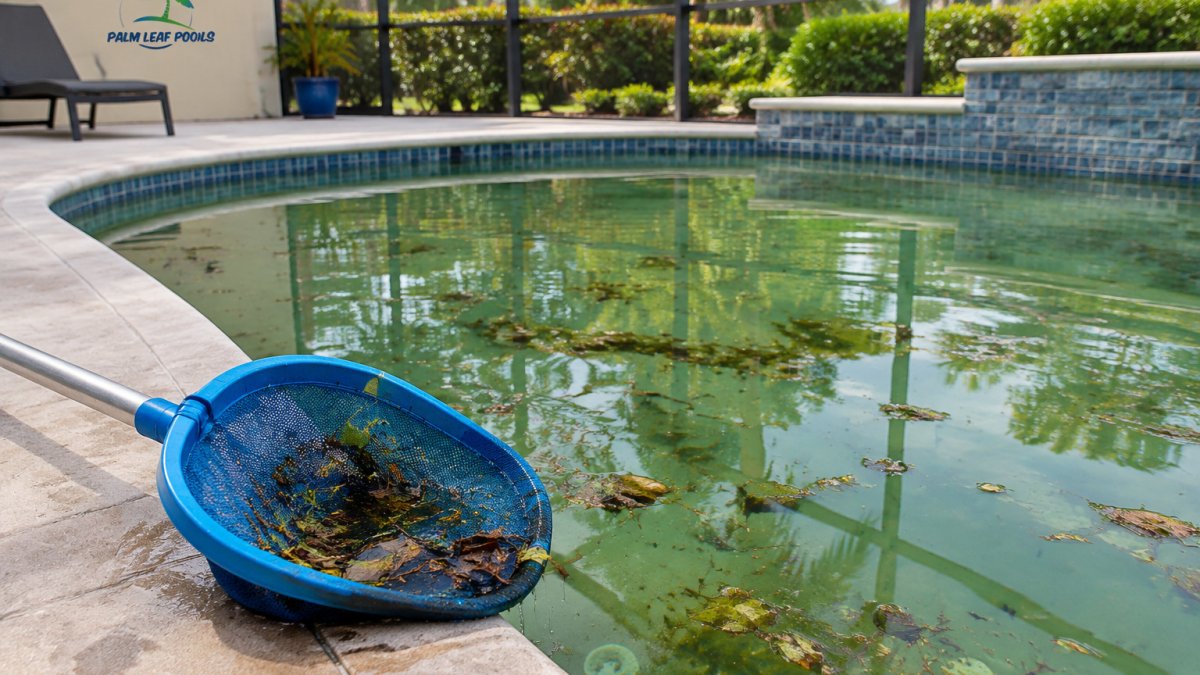
Inspect structural integrity and surface damage
Look for visible cracks, chips, or rough spots on the pool floor and walls. These aren't just cosmetic issues.
Check the pool deck and surrounding area for cracks, uneven sections, or loose pavers.
Look at the coping, the edge where the deck meets the pool. Cracked or missing coping allows water to seep behind the pool shell.
To understand what damage means for your specific pool, review the signs of structural damage in pools so you can identify which repairs are urgent and which can wait.
Evaluate equipment age and efficiency
Check the age of your pump, filter, and other equipment. Equipment over 15 years old is likely costing you money in wasted energy and frequent repairs.
Look at the filter. If it's original equipment, it's probably inefficient. Newer filters clean water better while using less energy and water.
Check your chlorine system. Manual chlorination requires constant attention and chemical balancing. Salt chlorination and automated systems are more reliable and easier to manage.
Pool Remodeling Costs for Older Pools: Budget Planning and Prioritization
Remodeling an old pool involves multiple components, and costs vary widely by scope, material, and region. Rather than guessing, build a budget in tiers and prioritize based on your pool's condition. The ranges below are typical planning figures for residential projects; get three written bids before committing, because labor rates and access (tight backyards, mature landscaping, haul-away distance) swing final numbers by 20-30%.
Typical cost ranges by upgrade
- Interior resurfacing: $4,000-$12,000 for plaster; $8,000-$18,000 for aggregate finishes; $15,000-$30,000+ for full tile. Cost drivers are pool size (square footage of surface), finish material, and how much old material must be chipped out.
- Coping replacement: $1,500-$6,000 depending on linear footage and material (cast concrete, natural stone, pavers, travertine).
- Deck replacement or overlay: $6-$20 per square foot for pavers or stamped concrete; a typical 600-square-foot deck lands around $4,000-$12,000.
- Variable-speed pump: $800-$2,000 installed, depending on horsepower and whether plumbing must be reworked.
How to sequence spending
Start with structural repairs. A pool with active leaks or serious cracks needs those fixed first; everything else depends on a sound shell. A leaking pool wastes water and money while causing hidden damage.
Next, fund surface upgrades. The interior finish is what you see and touch every day, and resurfacing is the most visible improvement per dollar. Equipment upgrades follow: a variable-speed pump is often the fastest payback item because it cuts the largest ongoing energy cost.
A simple prioritization framework
Rank every candidate upgrade on two axes: condition urgency (is it failing now?) and visibility/use impact (will you notice it daily?). Fix anything in the urgent column first regardless of visibility, leaks, failing drains, cracked coping that lets water behind the shell. Then spend on high-visibility, high-use items like resurfacing and lighting. Defer purely cosmetic landscaping until the hardscape is settled, since deck work will disturb beds and irrigation.
To understand the range of costs for each category, explore detailed remodeling costs for older pools so you can build a realistic budget that matches your priorities.
Old Pool Renovation Ideas: Resurfacing, Coping, and Decking Upgrades
These upgrades transform how your pool looks and functions. Each one addresses specific problems while improving the overall backyard experience.
Interior finish and surface upgrades
The pool surface is the most visible part of your renovation. Resurfacing removes the old, worn finish and installs a new one.
You have several material options:
- Plaster: Traditional, affordable, smooth finish. Needs replastering every 5-10 years.
- Aggregate finishes: Crushed stone or pebble mixed into plaster. More durable and textured. Lasts 10-15 years.
- Tile: Highly durable, easy to clean, premium look. Lasts 20+ years but costs more upfront.
Each finish has different durability, appearance, and maintenance needs. Review swimming pool resurfacing options to compare materials and understand which finish suits your climate and usage.
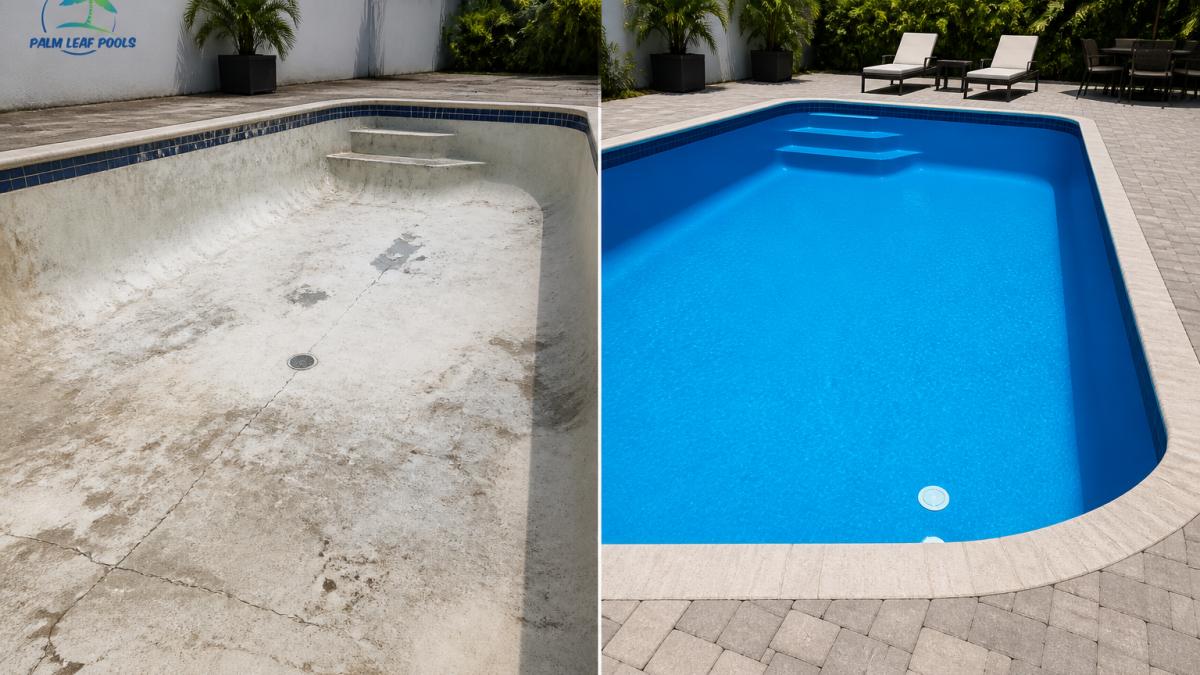
Pool coping and deck replacement
Coping is the edge cap that finishes the pool rim and prevents water from seeping behind the shell.
Pool decking serves multiple purposes. It provides a safe walking surface, improves drainage, and defines your backyard space.
New decking materials include pavers, stamped concrete, travertine, and composite materials. Choose based on durability, slip resistance, and how well it complements your home's style.
Swimming Pool Resurfacing Options: Materials and Installation
Resurfacing is the most common renovation for older pools.
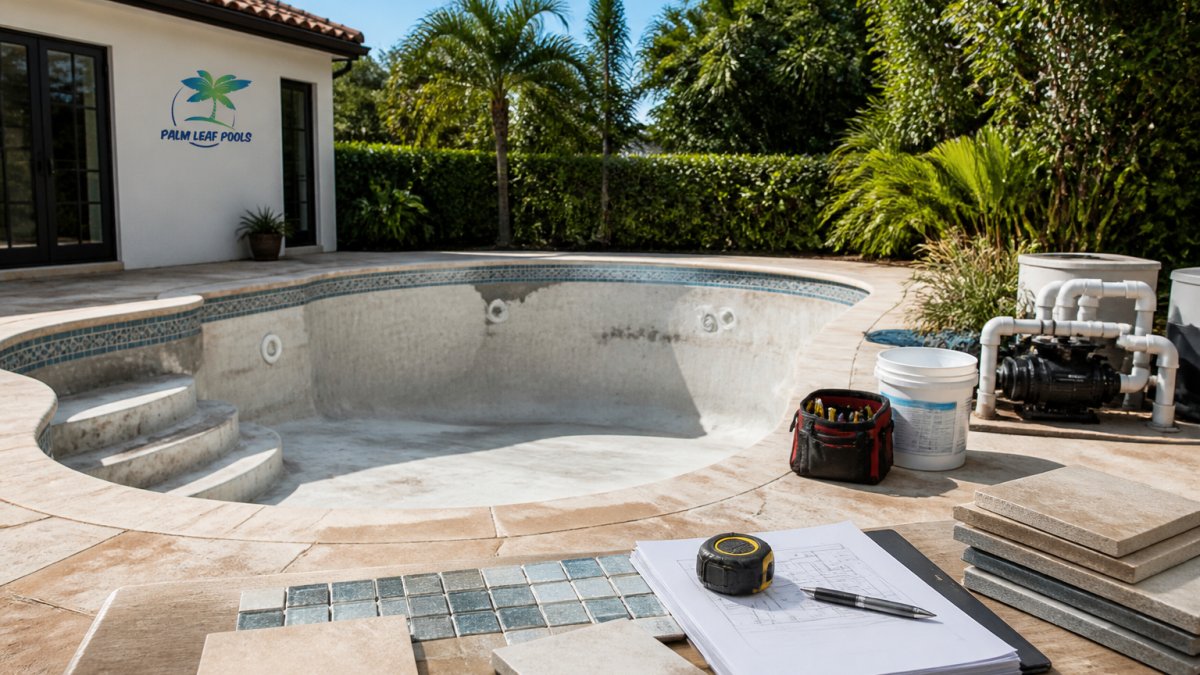
The process involves draining the pool, removing the old surface, repairing any structural issues underneath, and applying the new finish.
Plaster is the most common choice because it's affordable and familiar.
Aggregate finishes add crushed stone or pebble to plaster, creating texture and durability.
Tile offers the longest lifespan and easiest maintenance. It doesn't stain or fade and requires only regular cleaning.
Each material has different installation requirements and timelines.
Pool Equipment Upgrades: Pumps, Filters, and Automation
Modern equipment is the backbone of an efficient pool.
Variable-speed pumps adjust their speed based on demand.
Modern filters clean water more effectively and require less backwashing.
Automation systems control pumps, filters, and chemical dosing from your phone.
Salt chlorination systems generate chlorine from salt, eliminating the need to buy and handle chlorine chemicals.
Review energy-efficient pool pump options to find equipment that reduces your monthly operating costs while improving reliability.
Enhance Your Backyard with Modern Lighting and Water Features
Lighting transforms your pool into a backyard destination, especially for evening use.
Underwater LED lights illuminate the pool interior and create visual interest. They're energy-efficient and last for years.
Deck lighting highlights the pool edge and surrounding area, improving safety and defining the space.
Water features add movement and sound to your backyard.
Modern design styles emphasize clean lines, minimalist aesthetics, and functional spaces.
Permits, Safety Standards, and Timeline Expectations
Before any demolition, confirm what your local building department requires. Most jurisdictions treat a pool renovation as permitted work when it involves structural repair, electrical changes, plumbing alterations, or barrier modifications. Cosmetic resurfacing alone sometimes does not require a permit, but rules vary, call before you assume.
A practical permit and code checklist
- Barriers and fencing: Most states and many localities require a barrier around residential pools, often 4 feet high with a self-closing, self-latching gate. If your fence predates current rules, the renovation is the moment to bring it up to code.
- Anti-entrapment drain covers: Federal law (the Virginia Graeme Baker Pool and Spa Safety Act) requires compliant drain covers on public pools, and most inspectors expect residential renovations to meet the same standard. Replace flat grates with dome-style anti-entrapment covers and verify the sump is sized correctly.
- Electrical: Underwater lighting, pumps, and automation must be bonded and grounded per the National Electrical Code (NEC Article 680). Older pools often lack proper equipotential bonding; an electrician should test and correct it during the project.
- Drainage and grading: Deck and coping work must slope away from the pool and the house. Inspectors look for positive drainage and may require a dry well or French drain if the yard ponds.
- Setbacks and easements: If you are changing the pool footprint or adding features, confirm property-line setbacks and utility easements before design is finalized.
Realistic timeline by phase
A full modernization typically runs 6-12 weeks of active construction, but plan for 10-16 weeks from contract to swim-ready. Phase expectations:
- Design and permitting: 2-6 weeks. Permit review times vary widely by jurisdiction; historic districts and coastal zones take longest.
- Demolition and surface removal: 2-5 days. Chipping out old plaster and removing coping generate significant debris and noise.
- Structural repair: 3-10 days, longer if rebar or shell cracks are found.
- Resurfacing and curing: 1-3 weeks. Plaster needs 2-4 weeks of curing before balanced swimming; aggregate finishes cure faster but still require startup care. Tile work adds time.
- Deck and coping: 1-2 weeks, with a cure window before heavy use.
Weather matters: plaster and deck work cannot proceed in rain or freezing temperatures, and high heat accelerates curing in ways that require wetting schedules.
A full modernization typically takes 6-12 weeks depending on the scope of work. Structural repairs and resurfacing take the longest.
The timeline depends on permit approval, material availability, and weather. Plan for delays and build buffer time into your schedule.
Schedule Your Pool Modernization Consultation
Modernizing an old pool is a significant investment that pays dividends in safety, efficiency, and enjoyment. The key is understanding your pool's current condition and prioritizing upgrades that address the most urgent needs first.
At Palm Leaf Pools, we start by assessing your pool's structural integrity and equipment condition, then build a renovation plan that fits your budget and timeline.
Whether your pool needs structural repairs, a fresh surface, updated equipment, or a complete redesign, we deliver top-tier results that make your pool safe, beautiful, and easy to maintain. Contact Palm Leaf Pools to discuss your modernization project and get a detailed plan.
Frequently Asked Questions
How much does it cost to modernize an outdated swimming pool?
Pool remodeling costs for older pools vary widely depending on the scope of work. A simple resurfacing might cost less than a full renovation that includes equipment replacement, new decking, and modern lighting. Factors like pool size, materials chosen, and necessary structural repairs all affect the final price. Contact us for a detailed assessment and quote tailored to your pool's specific condition and your modernization goals.
What are the best old pool renovation ideas for adding value to my home?
The most impactful old pool renovation ideas include updating the interior finish, replacing worn coping and decking with modern materials, installing contemporary lighting, and upgrading to energy-efficient equipment. Adding water features or improving the surrounding landscape also enhances both aesthetics and functionality. Prioritize upgrades based on your pool's condition and your budget; resurfacing and equipment upgrades typically deliver the strongest return on investment.
How long does a swimming pool modernization take?
Timeline depends on the modernization scope. A resurfacing project typically takes 2-4 weeks, while a full renovation with equipment upgrades and decking changes may take 6-12 weeks or longer. Weather, material availability, and permit requirements can extend timelines. We provide realistic schedules during the initial consultation and keep you updated throughout the project.
Can I change the shape or size of my outdated pool during modernization?
Yes, you can redesign your pool's shape or size during modernization, though this is typically more involved than surface upgrades. Structural modifications require permits, engineering review, and careful planning to ensure safety and compliance with local codes. Our team can assess whether your pool's structure and your yard allow for the changes you envision and guide you through the process.
Modernizing your outdated swimming pool transforms your backyard and protects your investment for years to come. The process starts with honest assessment, prioritized planning, and working with professionals who understand both the technical and aesthetic sides of pool renovation. Get started with Palm Leaf Pools and turn your aging pool into the backyard oasis you've been wanting.