 How-to
Does Pool Remodeling Increase Home Value?
Last Updated: November 14, 2026
Quick Summary
Pool remodeling can increase home value, but it depends on the local market and the pool's condition, and it does not always pay off at resale. Buyers and appraisers mainly reward a pool that matches neighborhood standards and works safely, not a renovation's full cost.
- A 2025 study reported pools boosted home value by as much as 54% in certain high-demand markets.
- Appraisers compare your home with recent sales, so pools add value mainly when comparable homes have them.
- In-ground pools may add more value in warm-climate markets than in colder ones, according to Zillow.
- Structural repairs, such as shell cracks and failing plumbing, must be fixed even though they rarely show well.
- Keep permits, invoices and equipment manuals together, since buyers and their inspectors often ask for them.
Table of Contents
- Why Pool Remodeling Does Not Always Pay Off at Resale
- How Much Value a Pool Adds to an Appraisal
- Pool Remodeling Costs for Older Pools
- Whether Remodeling Pays Back Compared With Doing Nothing
- Pool Renovation Before Selling a Home
- Permits, Inspections, and Safety Compliance in Texas
- Planning Your Pool Remodel Before Listing
- Frequently Asked Questions
Does pool remodeling increase home value? The honest answer is that it depends, and sometimes it does not pay off at all. The question comes up often when an older pool starts showing its age. A remodel can make a backyard more enjoyable for your family.
A 2025 study reported by the New York Post found that pools boosted home value by as much as 54% in certain high-demand markets, according to Opendoor's summary of a 2025 study reported by the New York Post. That figure is a ceiling for specific markets, not a typical result for a remodel.
Why Pool Remodeling Does Not Always Pay Off at Resale
A pool does not automatically raise a home's resale value. Its effect can vary by market and, in some cases, may be negative.
Climate matters too. Zillow's guide on whether a pool is worth it notes that in-ground pools may add more value in warm-climate markets than in colder ones. In Texas, that tends to work in your favor, but local buyer demand still decides the outcome.
Buyers usually pay for a pool that looks clean, works well and needs no near-term repairs.
How Much Value a Pool Adds to an Appraisal
An appraiser estimates value by comparing your home with similar recent sales. If comparable homes have pools, the appraiser may adjust for that feature. If none do, the pool may add little or nothing to the appraised figure.
The condition of the pool also counts. A pool that is clean, structurally sound and equipped with working pumps and filters is easier to justify in an appraisal. A neglected pool can lower the value, because the appraiser may need to account for repair costs.
Ask yourself what the nearby homes sold for, and whether they had pools. That comparison tells you more than any general percentage.
Pool Remodeling Costs for Older Pools
Most articles about pool value answer a different question than the one homeowners actually ask. They explain whether installing a new pool raises resale value. The query here is narrower: does remodeling an existing pool increase home value? Those are not the same calculation.
The useful comparison is project by project. Pool remodeling costs for older pools break down each scope of work so you can compare them directly. For each scope of work, ask three questions: what does it cost, what does it change in a buyer's eyes, and how much of that cost is likely to come back at closing?
Resurfacing and Replastering
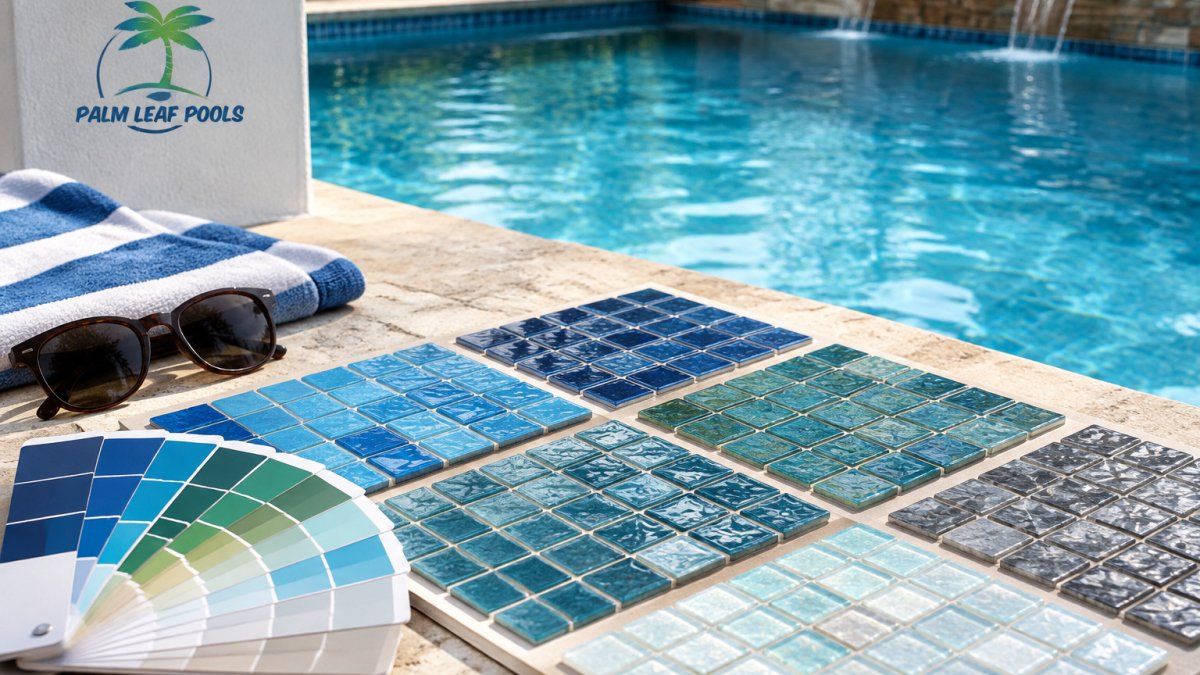
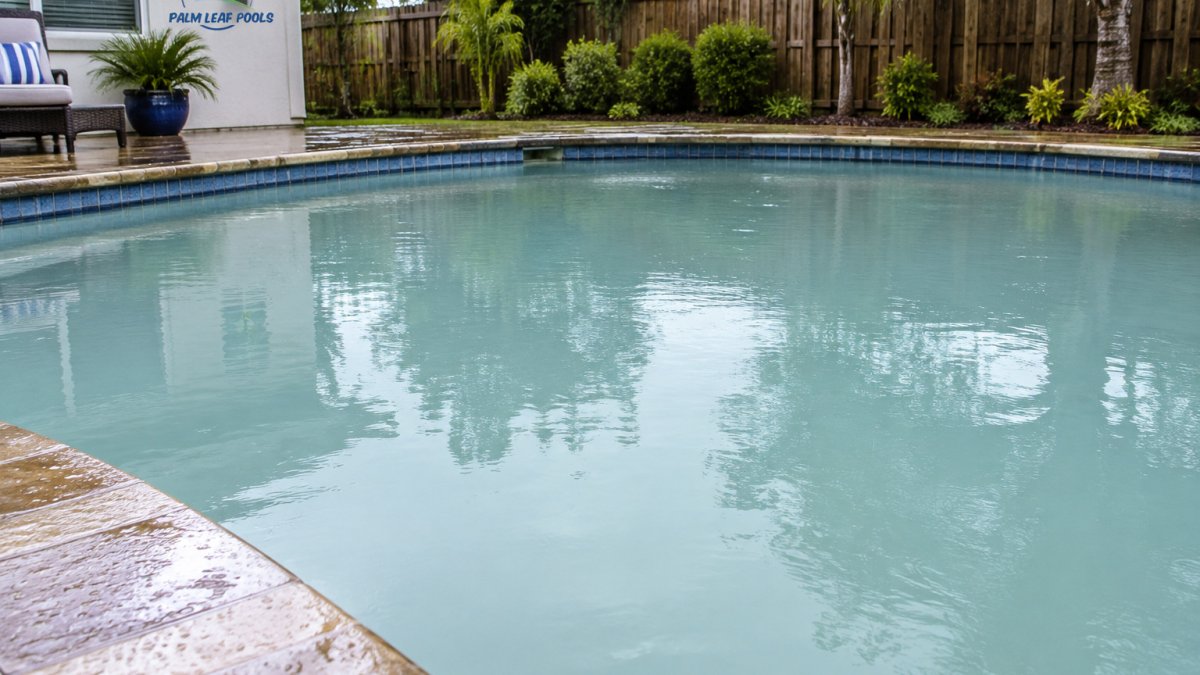
Replastering is the most common remodel line item. The buyer impact is mostly cosmetic and confidence-based: a chalky, stained or rough surface reads as deferred maintenance, while a fresh finish reads as a pool that has been cared for. Payback is rarely full. A common pattern is that resurfacing recovers part of its cost by removing a negotiation objection rather than by adding a premium.
Tile, Coping, and Decking
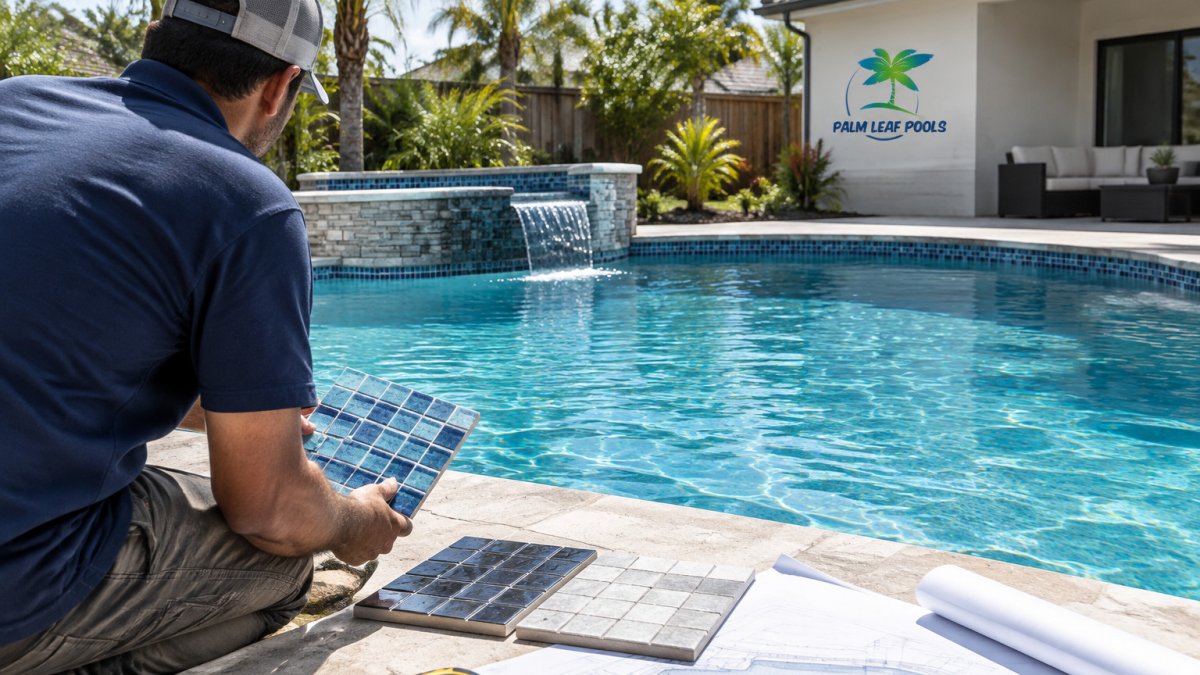
New waterline tile and coping are often bundled with resurfacing. Cracked coping and lifted deck sections are visible from the back door, and buyers notice them before they notice the finish. Replacing them removes a visible defect. Expanding into a full deck replacement is a different budget category and usually behaves more like a landscaping upgrade than a pool repair, enjoyable for the seller, inconsistently rewarded at resale.
Equipment Upgrades
Pumps, filters, heaters, salt systems and automation are where remodeling overlaps with operating cost. A variable-speed pump, a modern filter and a working heater change what a buyer hears during a showing and what they expect to spend each month. These upgrades tend to be easier to justify than cosmetic work because they answer a concrete buyer question: what will this pool cost me to run?
Structural Repairs
Shell cracks, failing plumbing, leaking skimmers and settling decks are the items that can turn a remodel into a reconstruction. Costs here are highly variable and can exceed every cosmetic line item combined. Structural work rarely shows well in photos, but skipping it is the fastest way to waste money on a finish that will fail. Signs of structural damage in pools explain what to look for before you decide between repairs and cosmetic updates. If the budget is limited, structural repairs come first and cosmetic work waits.
Comparing Cost With Likely Resale Contribution
Add up the project costs, then compare that total with the likely change in sale price and the likely change in time on market. A remodel that costs more than the realistic resale contribution is a lifestyle purchase, not an investment, and there is nothing wrong with that as long as the seller knows which one they are buying. The next section explains how appraisers and agents actually translate pool condition into value, which is the mechanism most homeowners never see.
The article breaks pool remodel costs into four scopes, each with a different effect on buyers and resale.
| Scope | Buyer impact | Resale payback |
|---|---|---|
| Resurfacing and replastering | Cosmetic; signals maintenance | Usually partial |
| Tile, coping, and decking | Removes visible defects | Varies; full deck often landscaping-like |
| Equipment upgrades | Answers operating-cost questions | Often easier to justify |
| Structural repairs | Can cost more than cosmetic work | Rarely shows well; must be fixed |
Whether Remodeling Pays Back Compared With Doing Nothing
The fair comparison is not remodel versus no pool. It is remodel versus leaving the pool as it is. An old pool that is leaking, unsightly or unsafe may already reduce the home's appeal. In that case, doing nothing carries its own cost.
If the pool works and looks acceptable, a full remodel may not add enough value to justify the expense. A targeted repair or cleaning may be the better choice. Compare the remodel cost against the likely change in sale price and the time the home might sit on the market.
Pool Renovation Before Selling a Home
Many sellers consider a pool renovation just before listing. Timing matters. Common pool remodeling mistakes to avoid covers the errors that most often erode the payoff of a pre-sale renovation. Work completed well in advance gives buyers a chance to see a settled, maintained pool.
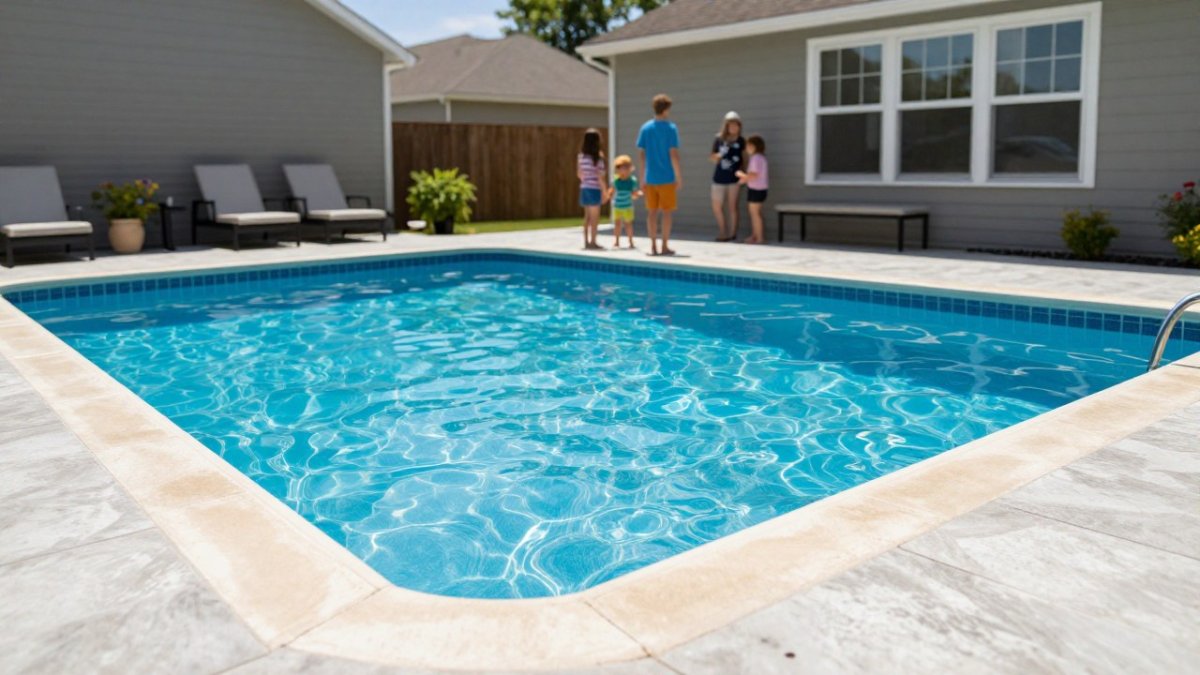
Keep records of maintenance, repairs and permits. Buyers and their inspectors ask for them, and documentation builds confidence. Common mistakes include overspending on finishes buyers will not notice and skipping repairs buyers will.
Palm Leaf Pools can help you decide which work is worth doing before a sale. Weekly maintenance also helps keep the pool clean and presentable.
Permits, Inspections, and Safety Compliance in Texas
Some pool work requires a permit, and the rules vary by city and county in the Dallas-Fort Worth area. Check with your local building department before starting structural work, electrical changes or fence and barrier modifications.
Safety features such as barriers, drain covers and electrical bonding must meet current requirements. Unpermitted work can create problems during a sale, because a buyer's inspector may flag it and a lender may ask about it. Confirm requirements with your city, and ask your contractor whether permits are included in the estimate.
Planning Your Pool Remodel Before Listing
A remodel decision made before listing should be driven by three variables: local buyer demand for pools, the condition gap between your pool and the pools in comparable sales, and the time and budget you can commit before the listing goes live.
How Appraisers and Agents Actually Value a Pool
An appraiser does not add value for a pool in the abstract. The appraiser compares your home with recent closed sales of similar homes and adjusts for differences.
Agents price differently. They read buyer behavior: how many showings mention the pool, whether buyers react to the condition, and how the pool compares with the pools in competing listings. A renovated pool that matches the neighborhood standard supports the asking price.
Renovation cost does not automatically equal added value. That is the single most important sentence in this section. The market pays for condition relative to comparables, not for the seller's invoice.
A Decision Framework Before You List
Work through these questions in order.
- Does the local market expect a pool? If most comparable homes have one, a pool in poor condition is a liability and bringing it to neighborhood standard is usually worth doing. If pools are uncommon in the comparables, the pool is a bonus feature and the remodel budget should shrink accordingly.
- Is the pool safe and functional? Barriers, drain covers, electrical bonding and a working pump are baseline. Safety and function come before appearance, and an unsafe pool can stall a transaction regardless of how it looks.
- What is the smallest scope that removes the buyer objection? Often that is a resurface, new tile and coping, and an equipment refresh, not a full redesign.
- How much time is available before listing? Work completed well in advance reads as a settled, maintained pool. Work rushed in the final days raises questions about what was hidden.
- What is the realistic resale contribution versus the project cost? If the numbers do not support the remodel, a targeted repair plus a professional cleaning and balanced water may be the better listing strategy.
Permits, Documentation, and Transaction Risk
Permits and inspection records matter more at resale than most sellers expect. Structural work, electrical changes, gas lines for heaters, and barrier or fence modifications commonly require permits, and requirements vary by jurisdiction. Unpermitted work can surface during a buyer's inspection and create renegotiation risk or lender questions.
Watch out: a pool that was remodeled without permits and without documentation can turn a straightforward sale into a negotiation, because the buyer's inspector will flag what the record does not explain.
Choosing the Contractor and the Scope
Get a written scope that separates structural repairs from cosmetic work, lists equipment by model, states who pulls permits, and includes a timeline.
To talk through your pool's condition and whether a remodel makes sense before you list, contact Palm Leaf Pools for an honest assessment.
Frequently Asked Questions
Does a pool increase home value?
A pool can increase home value in some markets, but the effect varies widely. A pool can increase home value in some markets, but the effect varies. Some sellers also find a pool narrows their buyer pool or adds costs at closing, so the outcome depends on your home, your price range, and local buyer demand.
Do pools devalue your home?
A pool can work against resale in some cases. A pool can either add value or cost a seller at closing, depending on the property and buyer. Buyers may view an aging or neglected pool as a maintenance expense, and some appraisers may not credit a pool that is in poor condition. Getting a current assessment of the pool's condition before listing helps you understand where your home stands.
How much value does a pool add to an appraisal?
Appraisers typically look at comparable sales in your area, and whether comparable homes have pools matters more than the pool's cost. Pool value is not a fixed dollar figure you can add to a home. If your neighborhood's comparable sales include pools, a well-maintained pool may be reflected in the appraisal. A pool in poor condition may be credited less or not at all. Ask a local agent to pull comparable sales that include pools to see how they were valued.
Should you remodel a pool before selling your home?
Remodeling before selling makes sense when the pool's condition is a visible drawback that could turn buyers away or prompt price negotiations. Minor work such as cleaning, equipment repair, and addressing cracks or leaks is often more practical than a full renovation. Major remodels may not be recovered at resale, so compare the estimated cost against what comparable homes in your area sell for with and without an updated pool. A pool company can inspect the pool and explain which repairs are urgent versus optional.