 how-to
Pool Remodeling Mistakes to Avoid: 7 Costly Errors
Table of Contents
- 1. Skipping a Thorough Site Assessment Before Pool Remodeling
- 2. Setting an Unrealistic Budget for Pool Remodeling Costs for Older Pools
- 3. Choosing Materials and Finishes Without a Plan
- 4. Common Pool Resurfacing Mistakes That Shorten Your Finish's Life
- 5. Ignoring the Pool Renovation Timeline and Sequencing
- 6. Pool Remodeling Contractor Questions You Must Ask Before Signing
- 7. Overlooking Permits, Codes, and Safety Requirements
- Conclusion
- Frequently Asked Questions
Last Updated: October 17, 2026
1. Skipping a Thorough Site Assessment Before Pool Remodeling
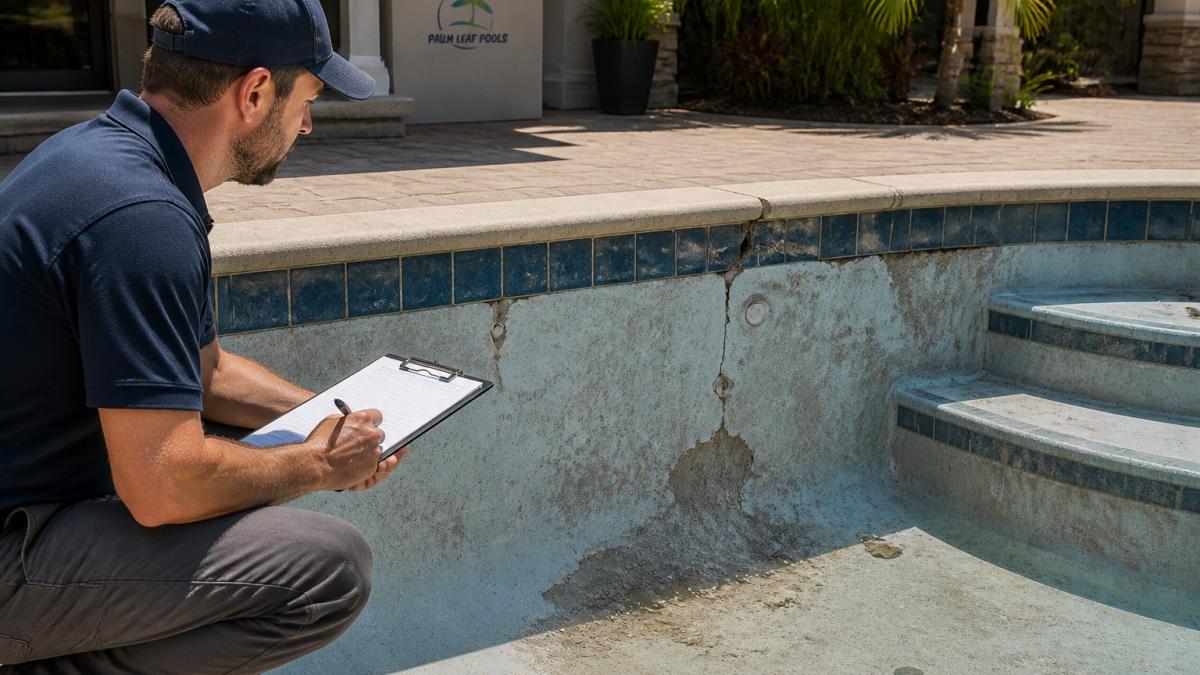
The most expensive mistakes in pool remodeling start before anyone picks a finish color. They start when a crew skips a real inspection of the existing pool. A proper site assessment is the step where you find out what your pool is actually made of, how its shell is holding up, and what the ground around it is doing. We treat this as the foundation of every project, because what you can't see underground can wreck a budget fast.
A common mistake is trusting a quick walkaround. A thorough assessment should cover:
- The pool shell for cracks, shifts, or hollow spots
- Existing plumbing for leaks or weak flow
- The filtration system and equipment age
- Decking for settling, cracks, or drainage problems
- Soil and grading around the pool
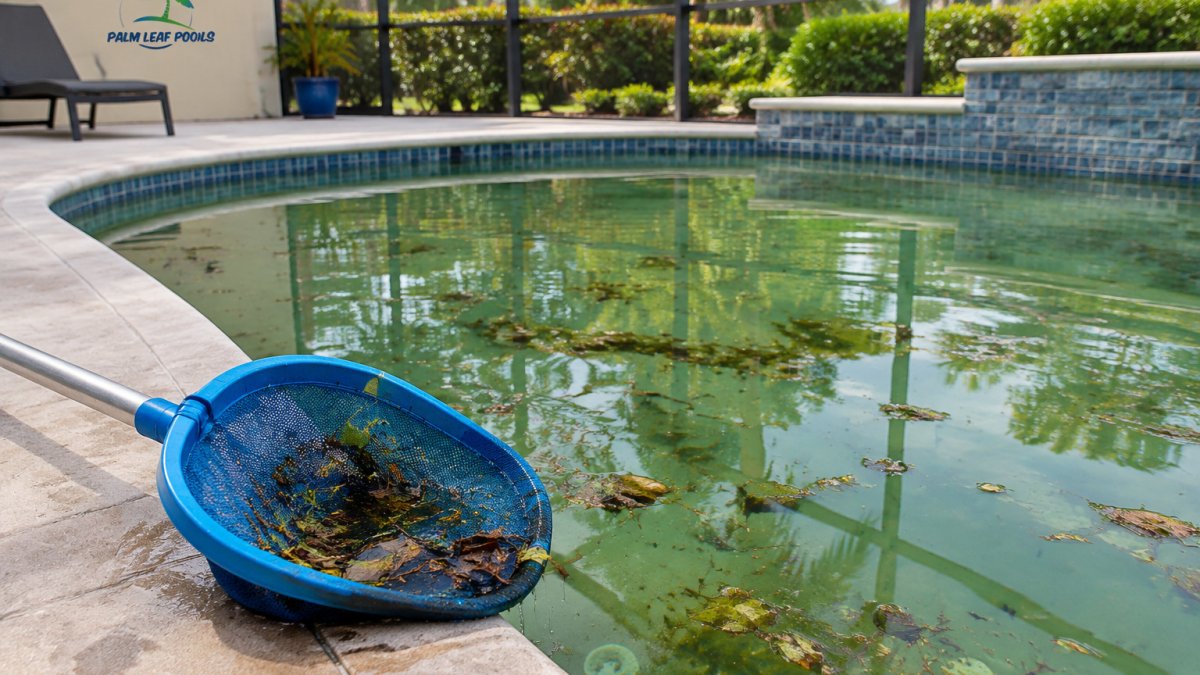
Hidden conditions are the real risk. A hairline crack in the shell can point to movement underneath. Worn plumbing can fail the moment a new pump pushes more pressure through it. Catch these early and you plan for them. Miss them, and they surface mid-project when the pool is already torn apart.
2. Setting an Unrealistic Budget for Pool Remodeling Costs for Older Pools
Pool remodeling costs for older pools almost always run higher than homeowners expect. That's not a sales pitch, it's the nature of the work. Older pools carry surprises: worn plumbing, aging equipment, and shells that have taken decades of movement. A budget built on the cost of a cosmetic refresh will fall short once real repairs enter the picture.
Where Older Pools Drain Your Budget
The big cost drivers on an older pool are rarely the visible ones. They're the systems and structures you can't see:
- Structural repairs to the shell or walls
- Plumbing replacement when old lines fail a pressure test
- Equipment upgrades for pumps, filters, and circulation
- Deck and coping work where settling has occurred
Each one can shift a project from cosmetic to structural. The fix is to get a real cost estimate after the assessment, not before.
Building a Contingency Fund
A contingency fund is money set aside for the problems a remodel uncovers. Many homeowners find that a reserve of 10% to 20% of the project budget keeps the job moving when surprises appear. On an older pool, lean toward the higher end. Here's how to structure it: Maintaining this financial buffer serves as a foundational practice for avoiding budget overruns during complex renovations.
| Budget Area | What It Covers | Planning Approach |
|---|---|---|
| Base remodel | Finish, tile, decking | Price after assessment |
| Systems | Plumbing, pump, filter | Test first, then price |
| Contingency | Hidden repairs | Reserve 10-20% |
| Permits and fees | Local requirements | Confirm before signing |
3. Choosing Materials and Finishes Without a Plan
Picking a finish because it looks good in a photo is a classic pool remodeling mistake. Materials have to match your pool's structure, your climate, and how you plan to use the water. A finish that suits a shaded pool may not hold up under constant sun. A tile that looks stunning on a sample board may be hard to keep clean.
Start with function, then style. Ask:
- How much sun does the pool get each day?
- How often will the pool be used?
- What maintenance are you willing to do?
- Does the material suit the existing shell?
The right pool materials balance looks with durability. A finish chosen for appearance alone often needs more upkeep or fails sooner. That's a costly way to learn a lesson.
4. Common Pool Resurfacing Mistakes That Shorten Your Finish's Life
Pool resurfacing mistakes usually come down to prep, not product. A new finish only lasts if the surface beneath it is sound and properly prepared. Skip the prep and even a premium finish will fail early.
The most common resurfacing errors:
- Resurfacing over a failing shell. Cracks and hollow spots must be repaired first.
- Poor surface prep. Dust, moisture, or old material left in place stops the new finish from bonding.
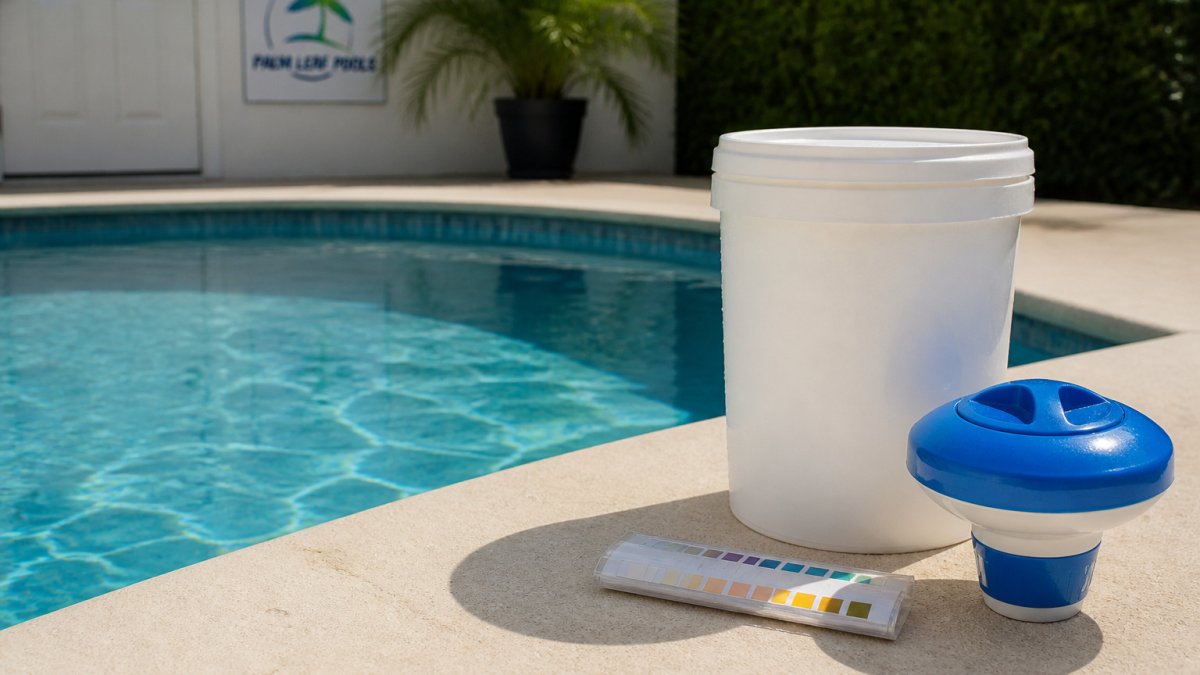
- Ignoring water chemistry after the job. A fresh finish needs balanced water and careful curing.
- Skipping the filter check. Old equipment can push debris that damages a new surface.
Water quality matters more than most people realize. Poor pH balance and skipped filter maintenance shorten the life of any finish. Treat the resurface as the start of a maintenance routine, not the end of one. For guidance on balanced water, the Centers for Disease Control and Prevention pool water guidance covers the basics of safe, well-managed pool water.
5. Ignoring the Pool Renovation Timeline and Sequencing
A pool renovation timeline follows a set order, and getting that order wrong causes rework. You can't finish the deck before the plumbing is tested. You can't apply the finish before the shell is repaired. Sequence is everything.
Here's the general flow most projects follow:
- Site assessment and inspection
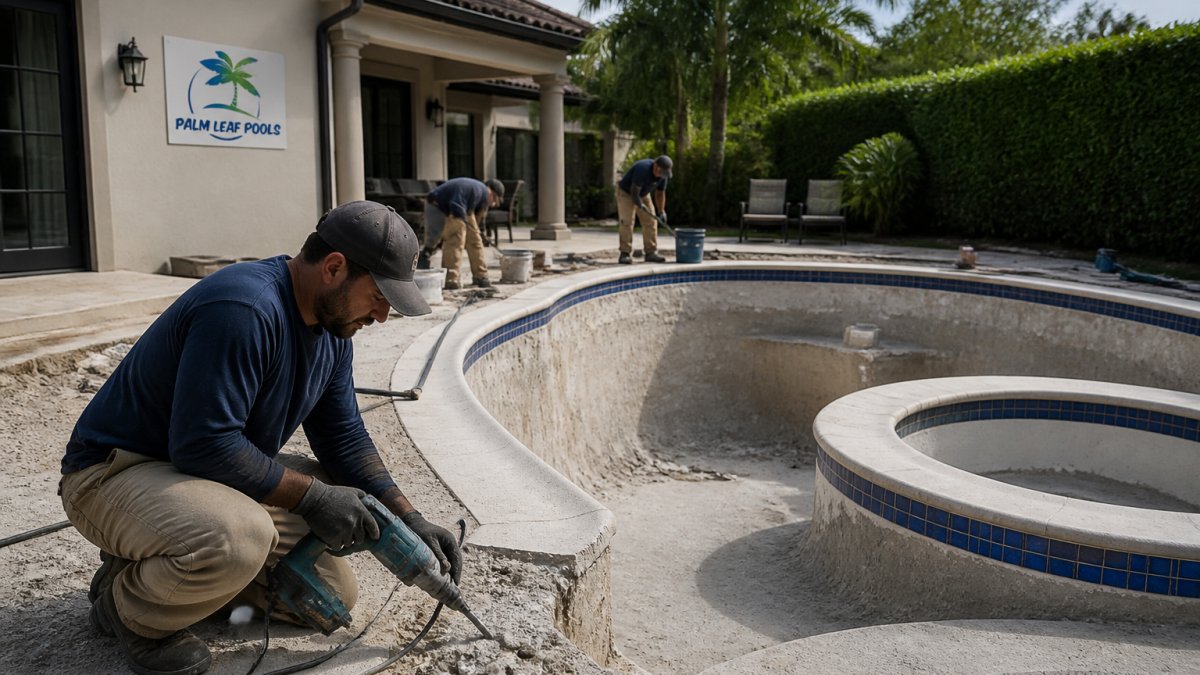
- Structural and plumbing repairs
- Equipment upgrades
- Surface prep and resurfacing
- Tile, coping, and decking
- Water fill, balancing, and startup
Weather, permits, and material lead times all affect the schedule. A realistic plan builds in buffer time. Promises of a fast turnaround on an older pool usually mean corners get cut somewhere.
6. Pool Remodeling Contractor Questions You Must Ask Before Signing
The right contractor questions separate a smooth project from a stressful one. Before you sign, get clear answers in writing. This is where a dependable partner proves itself.
Ask these before signing:
- Are you licensed and insured, and can I see proof?
- Will you provide a detailed, line-item written estimate?
- Who handles permits, and are they included in the price?
- What's the payment schedule, and how much is due upfront?
- How will you communicate progress, and how often?
- What's the warranty on labor and materials?
- What happens if you find hidden damage mid-project?
- Can you provide references from similar older-pool projects?
The communication question matters most. A contractor who returns calls before the sale is the one who'll return them during the build. Get the answers in writing so there are no surprises. The Federal Trade Commission consumer advice on hiring contractors offers solid guidance on protecting yourself before work begins.
7. Overlooking Permits, Codes, and Safety Requirements
Remodeling a pool usually triggers permit and code requirements, and skipping them is a costly mistake. Local rules cover structural changes, electrical work, barriers, and drainage. Pull permits and you protect your investment and your ability to sell the home later.
What to confirm before work starts:
- Work permits for structural, plumbing, or electrical changes
- Local regulations on pool barriers and safety features
- Electrical codes for pumps, lighting, and bonding
- Drainage and grading rules that affect the deck and yard
Safety requirements aren't red tape. Barrier rules and anti-entrapment standards exist to prevent injuries. The U.S. Consumer Product Safety Commission pool safety information explains the safety standards that apply to residential pools. Build them into the plan from day one rather than retrofitting later.
Conclusion
The homeowners who come out ahead on a pool project aren't the ones who spent the least. They're the ones who planned for what an older pool hides and chose a team that communicates. If you want a remodel handled with clear estimates, honest updates, and expert care from start to finish, Palm Leaf Pools is ready to help. Our complete pool remodeling services pair with dependable weekly maintenance to keep your investment protected year-round. Call Today!
Frequently Asked Questions
What should homeowners know before remodeling a pool?
Know the condition of your existing pool shell before you budget a single finish upgrade. A site assessment that checks for structural cracks, plumbing leaks, and equipment age prevents surprises mid-project. Set a realistic budget that includes a contingency of 10 to 20 percent for hidden repairs, and confirm the contractor pulls the required work permit. Ask for a written timeline with sequencing, and get every scope item, material choice, and payment milestone in the contract before work begins.
How can I avoid going over budget on a pool remodel?
Get a line-item cost estimate that separates demolition, structural repairs, finishes, decking, and equipment. Older pools often hide problems under the surface, so hold back 10 to 20 percent of the project budget for unknowns like cracked plumbing or a failing pool shell. Decide on materials and layout before demolition starts, because changes mid-project drive up pool remodeling costs for older pools. Request written change orders for any addition so nothing lands on the final invoice unannounced.
What should I ask a pool remodeling contractor before work begins?
Ask for their license and insurance certificates, then confirm who pulls the work permit. Request references from remodels similar in age and scope to yours, and ask how they handle hidden conditions found after demolition. Get the pool renovation timeline in writing with start and finish dates for each phase. Clarify payment milestones, warranty terms on finishes and equipment, and who handles cleanup and disposal. A contractor who answers these pool remodeling contractor questions clearly is worth shortlisting.
How long does a pool remodel usually take?
Most residential remodels run several weeks from demolition to refill, but the pool renovation timeline depends on scope. A resurface and tile refresh moves faster than a full remodel that adds structural repairs, new plumbing, or decking. Weather, permit approval, and material lead times add days. Ask your contractor for a phase-by-phase schedule, and expect curing time before you refill and balance the water. Plan for the pool to be unusable for the full duration, not just the visible work.