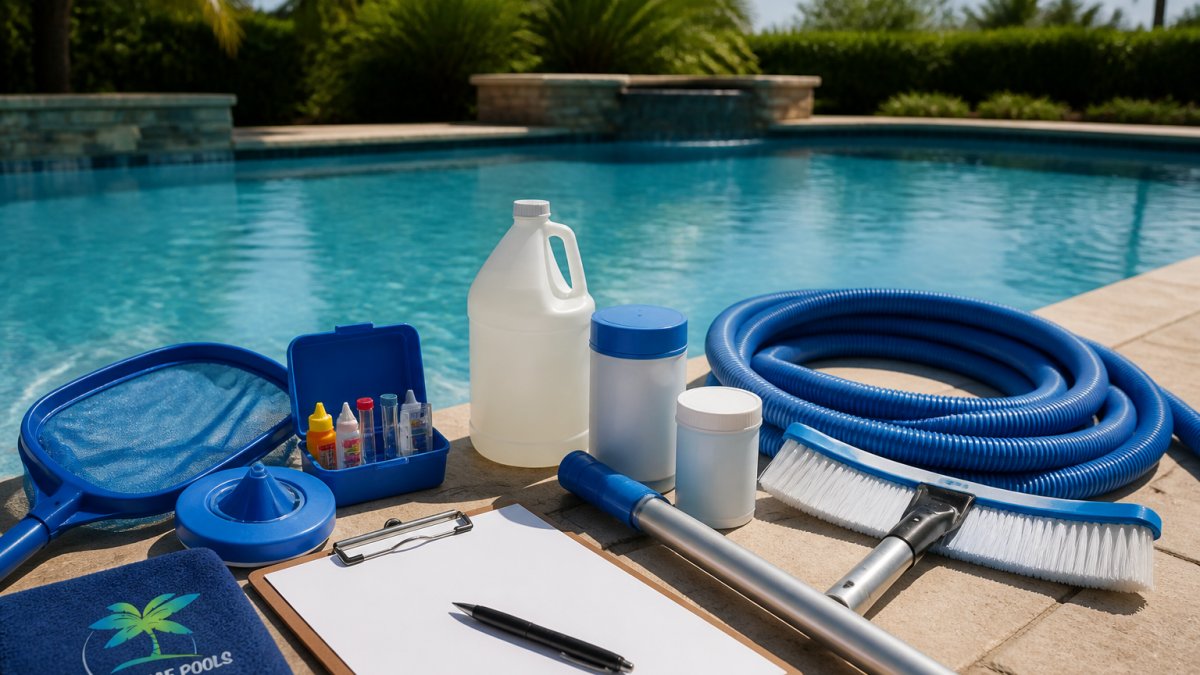
 listicle
Best Pool Maintenance Schedule for Summer
Table of Contents
- Daily Pool Care Tasks
- Weekly Pool Cleaning Checklist
- Pool Water Chemistry Balance Guide
- Can You Swim After Shocking Your Pool?
- Pump, Filter, and Equipment Maintenance
- Weather-Specific Adjustments for Summer
- Energy Efficiency and Automated Maintenance Options
- Conclusion
- Frequently Asked Questions
Last Updated: October 4, 2026
Daily Pool Care Tasks
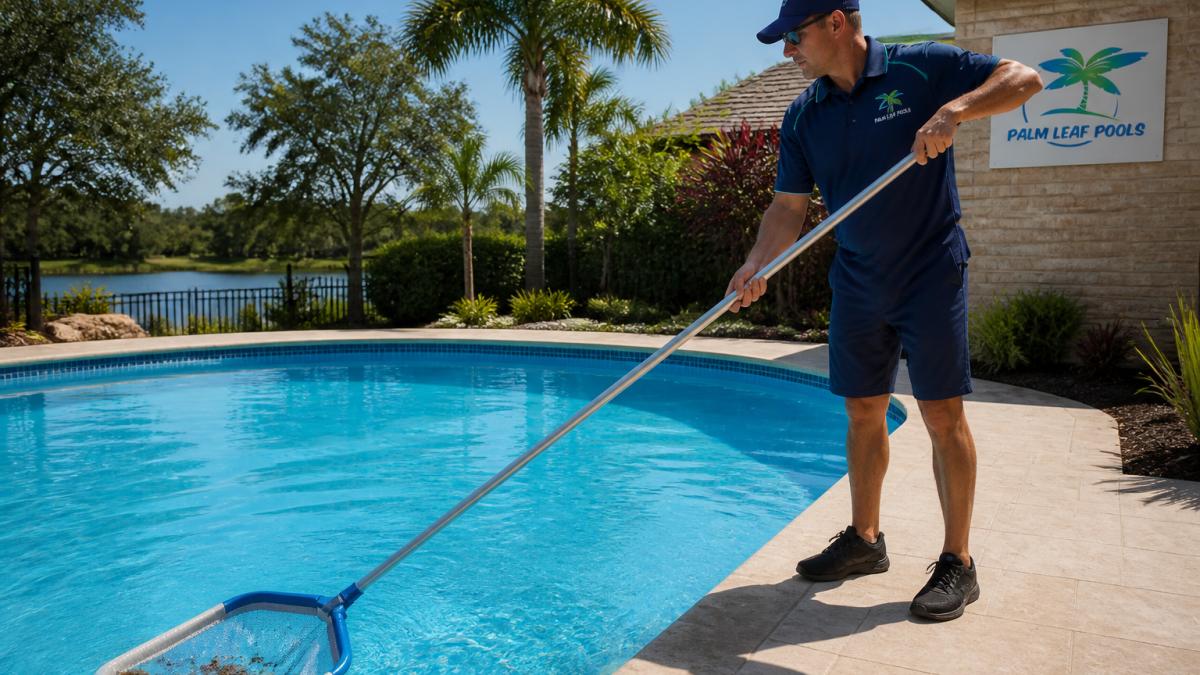
Maintaining a pool during summer means committing to daily attention. The best pool maintenance schedule for summer starts with what you do every single day. Skimming debris from the surface takes just five to ten minutes but prevents leaves, insects, and dirt from sinking and decomposing in your water.
Daily tasks also include checking the pool's water level. Summer heat accelerates evaporation, and your water level can drop noticeably in a day. The water should sit at the midpoint of your skimmer opening. If it drops below that, top it off with fresh water. This simple check takes two minutes and prevents your pump from running dry.
Monitor your pump and filter system daily as well. Listen for unusual sounds, check that water is flowing through the returns at normal pressure, and verify that the pump is running during the hours you've scheduled. Most pool owners run their pump 8 to 12 hours per day during summer, though this varies based on usage and local heat. A properly functioning filter is your first line of defense against cloudy water and algae growth.
Weekly Pool Cleaning Checklist
Beyond daily skimming, a weekly pool maintenance schedule for summer requires more thorough cleaning. Once a week, brush all interior surfaces of your pool: walls, floors, and steps. Algae loves to settle in corners and along the waterline, so pay special attention to these areas.
Vacuuming the pool floor once a week removes settled debris that brushing alone cannot address. Connect your pool vacuum to the circulation system and work slowly across the entire floor, overlapping your passes to ensure complete coverage.
Empty your skimmer baskets and pump strainer baskets weekly as well. These collect leaves, dirt, and other debris that would otherwise clog your filter. A clogged skimmer reduces water circulation and forces your pump to work harder, wasting energy and shortening equipment life.
Clean your filter according to your filter type. Sand filters need backwashing once weekly or when the pressure gauge rises 8 to 10 pounds per square inch above the baseline. Cartridge filters need rinsing with a garden hose once weekly.
Pool Water Chemistry Balance Guide
Testing your water regularly is the foundation of keeping your pool safe and clear. The best pool maintenance schedule for summer includes testing water chemistry at least twice per week, ideally three times if your pool gets heavy use. You need to monitor several key parameters to maintain proper water balance.
Testing Frequency and Key Parameters
Test your free chlorine level two to three times per week. Free chlorine is the active sanitizer that kills bacteria and prevents algae.
Test your pH level twice weekly. pH measures how acidic or basic your water is, and it affects both sanitizer effectiveness and swimmer comfort. Your target pH range is 7.2 to 7.6. Water that's too acidic (below 7.2) corrodes equipment and irritates eyes and skin.
Test alkalinity once weekly. Total alkalinity acts as a pH buffer, preventing rapid pH swings. Your target range is 80 to 120 ppm. Low alkalinity causes pH to fluctuate wildly. High alkalinity makes pH difficult to adjust and can lead to cloudy water and scale buildup on equipment.
Test calcium hardness once monthly during summer. Calcium hardness measures dissolved minerals in your water. Your target range is 200 to 400 ppm. Water with low calcium hardness becomes corrosive and damages plaster, tile grout, and metal equipment.
Test cyanuric acid (stabilizer) once monthly. This chemical protects chlorine from UV degradation, allowing it to work longer. Your target range is 30 to 50 ppm. Without adequate stabilizer, chlorine breaks down in sunlight and becomes ineffective within hours.
Shocking and Sanitization
Shocking your pool means adding a large dose of chlorine to break down organic contaminants like sweat, sunscreen, and algae spores that regular chlorine cannot fully eliminate. A proper shock treatment raises your free chlorine to 10 ppm or higher, depending on your pool's condition. The best pool maintenance schedule for summer includes shocking once weekly during normal conditions, or twice weekly if your pool experiences heavy use or recent rain.
Shock your pool in the evening or at night to maximize effectiveness. Sunlight degrades chlorine rapidly, so shocking during the day wastes product. Add your shock according to package directions based on your pool volume. Allow the water to circulate for at least 8 hours before swimming, and ideally overnight. This gives the shock time to work and allows chlorine levels to drop back to safe swimming levels.
Some pool owners prefer calcium hypochlorite shock, while others use liquid chlorine or other shock types. Each has advantages. Calcium hypochlorite raises both chlorine and calcium hardness, which is beneficial if your hardness is low but problematic if it's already high. Liquid chlorine raises chlorine without affecting other parameters. Discuss shock options with a professional if you're unsure which suits your situation.
Can You Swim After Shocking Your Pool?
No, you should not swim immediately after shocking your pool. When you add shock treatment, your free chlorine level spikes to 10 ppm or higher, which is far above the safe swimming range of 1 to 3 ppm. High chlorine concentrations irritate eyes, skin, and lungs. Swimmers in shocked water experience red eyes, itchy skin, and respiratory discomfort.
Wait until your free chlorine drops back to the 1 to 3 ppm range before allowing swimming. This typically takes 8 to 12 hours after shocking, depending on how much shock you added, your pool's size, and how actively your circulation system is running. Test your chlorine before declaring the pool safe. If you shock in the evening, the pool is usually safe to swim in the following afternoon.
Some pool owners shock at night and allow the water to circulate overnight, making the pool ready for swimming the next morning. This approach works well if you test your chlorine the next day to confirm it has dropped to safe levels. Never assume your pool is safe based on time alone. Always test before swimming.
Pump, Filter, and Equipment Maintenance
Your pump and filter are the workhorses of pool maintenance. The best pool maintenance schedule for summer includes regular equipment checks to prevent breakdowns and extend equipment life. Run your pump for 8 to 12 hours daily during summer, adjusting based on water clarity and bather load. Pools with heavy use need longer run times.
Monitor your filter pressure gauge weekly. Sand and cartridge filters show rising pressure as they trap debris. When pressure rises 8 to 10 psi above your filter's clean baseline, it's time to backwash or clean the filter. Backwashing a sand filter reverses water flow to flush trapped debris out of the system. Rinsing a cartridge filter with a garden hose removes surface debris.
Check your pump's strainer basket weekly and empty it as needed. A clogged strainer reduces flow and causes the pump to work harder. Inspect pump seals and housing for leaks. Small drips may seem minor, but they indicate developing problems. Address leaks promptly to prevent equipment failure.
Inspect your skimmer and main drain for proper function. Water should flow steadily through both. If either is weak or absent, debris may be blocking the line. Clear blockages to restore proper circulation and water balance.
Weather-Specific Adjustments for Summer
Summer weather affects your pool maintenance schedule in important ways. During periods of intense heat and direct sunlight, increase your pump run time to 10 to 12 hours daily. Heat accelerates chlorine breakdown and promotes algae growth, so more circulation and filtration are necessary. Test your water more frequently during heat waves, as chemistry can shift rapidly.
Heavy rain can dilute your pool water and introduce organic material. After significant rainfall, test your alkalinity and pH, as rain is slightly acidic and lowers both. You may need to add alkalinity increaser and pH increaser to restore balance. Shock your pool after heavy rain to eliminate any contaminants the rain introduced.
Windy conditions blow debris into your pool, increasing your skimming frequency. During windy periods, skim twice daily instead of once. Wind also increases evaporation, so monitor your water level more closely and top off as needed.
During extended periods of rain or cloud cover, reduce your pump run time slightly if your water remains clear. Reduced sunlight means chlorine breaks down more slowly, so you may need less circulation time. However, never reduce run time below 6 to 8 hours, as this risks stagnation and algae growth.
Energy Efficiency and Automated Maintenance Options
Running a pool efficiently saves money and reduces environmental impact. Variable-speed pumps use significantly less energy than traditional single-speed pumps while providing adequate circulation. If your pump is more than 10 years old, upgrading to a variable-speed model can reduce energy costs by 50% or more.
Automated pool cleaners reduce manual labor and improve cleaning consistency. Robotic cleaners operate independently, scrubbing walls and floors while you attend to other tasks. They require less frequent manual vacuuming and reduce the overall workload of pool maintenance. However, they require regular cleaning and maintenance themselves.
Automated chemical feeders dispense chlorine and pH adjusters continuously based on water chemistry sensors. These systems reduce the need for manual testing and dosing, maintaining more stable chemistry throughout the day. They're particularly valuable for pools with heavy use or those in extreme climates.
Timers on your pump and filter allow you to automate run schedules. Programming your pump to run during off-peak energy hours can reduce electricity costs.
Consider eco-friendly shock alternatives like potassium monopersulfate, which breaks down more quickly than calcium hypochlorite and produces less residual hardness. These options are gentler on equipment and the environment while maintaining effective sanitization.
Conclusion
The best pool maintenance schedule for summer requires daily attention to skimming and water level, weekly brushing and vacuuming, and twice-weekly testing of chlorine and pH. This consistent routine keeps your water safe, clear, and inviting throughout the season. At Palm Leaf Pools, we understand that pool ownership demands real commitment, which is why many homeowners choose professional maintenance services. Our team handles weekly cleaning, chemical balancing, equipment checks, and seasonal adjustments so you can focus on enjoying your backyard investment. With expert care and constant communication, your pool stays beautiful and safe year-round. Call today to learn how we can simplify your pool ownership and protect your investment with professional maintenance tailored to your needs.
Frequently Asked Questions
How often should you test pool water chemistry in the summer?
Test your pool water at least twice weekly during summer months when bather load is highest. Check free chlorine, pH levels, alkalinity, and calcium hardness. High usage and heat increase chemical demand and evaporation, making frequent testing essential. If your pool sees heavy use, consider testing three times per week. Use test strips or a liquid test kit for accurate readings, and keep records to spot trends.
Can you swim after shocking a pool?
No, you should not swim immediately after shocking your pool. Wait until free chlorine levels drop to 1-3 ppm, typically 8-24 hours depending on the shock product and water conditions. Calcium hypochlorite shock usually requires longer wait times than liquid chlorine. Always follow the product instructions and test chlorine levels before allowing swimmers back. Entering too soon risks skin and eye irritation.
What is included in a weekly pool cleaning checklist?
A weekly pool cleaning checklist should include: skimming the surface for debris, brushing walls and floors, vacuuming the pool floor, cleaning the skimmer basket, checking and backwashing the filter, testing water chemistry, adding chemicals as needed, and inspecting equipment for damage. During summer, prioritize these tasks on a consistent schedule, ideally the same day each week, to maintain water clarity and prevent algae growth.
What happens if you don't maintain proper pool water chemistry balance?
Neglecting water chemistry balance leads to algae blooms, cloudy water, equipment corrosion, and skin irritation. Improper pH causes scaling on surfaces and reduces chlorine effectiveness. Low alkalinity makes pH swing wildly; high alkalinity wastes chlorine. Imbalanced calcium hardness causes staining or etching. These problems compound quickly in summer heat and high usage, requiring expensive treatments or equipment replacement. Consistent testing and small adjustments prevent costly damage.