 ultimate-guide
Remodeling Old Swimming Pool Tips: A 2026 Guide
Table of Contents
- Assess Your Pool's Current Condition Before Remodeling
- Pool Remodeling Costs for Older Pools: What Drives the Price
- Repair or Replace: Making the Right Decision
- Old Pool Renovation Ideas: Surface and Design Upgrades
- Understanding the Pool Renovation Process Step by Step
- Pool Remodel Timeline: What to Expect
- Energy-Efficient Equipment and Long-Term Maintenance
- Frequently Asked Questions
Last Updated: October 18, 2026
Assess Your Pool's Current Condition Before Remodeling
Before committing to a remodeling old swimming pool project, you need an honest assessment of what you're working with. A thorough inspection reveals whether you're looking at cosmetic updates or structural repairs that could affect your entire budget and timeline.
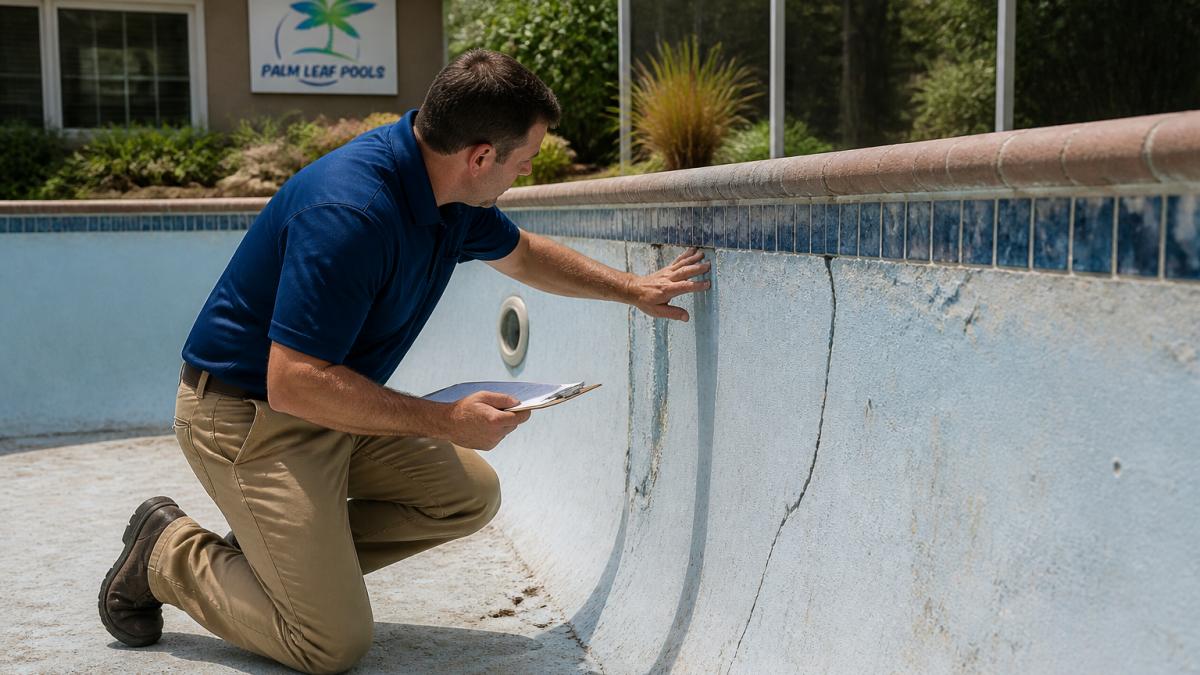
Structural Inspection Checklist
Start by examining the pool shell itself. Look for cracks in the concrete or plaster, which can range from hairline fractures to significant structural damage. Check the waterline for stains, discoloration, or soft spots that indicate deterioration.
Pay attention to the coping (the edge where the pool deck meets the pool wall). Cracked, crumbling, or loose coping is a safety hazard and often signals broader structural issues. Coping damage frequently appears alongside interior surface deterioration, so addressing both together during a renovation makes financial sense.
Inspect the pool deck surrounding the structure. Settling, cracking, or uneven surfaces can indicate foundation movement affecting the entire pool structure. These issues require professional evaluation before planning your renovation budget.
Equipment and System Evaluation
Your pump, filter, and circulation system represent significant operational costs. Test your pump to ensure it's running efficiently and listen for unusual noises. Check your filter for signs of wear, corrosion, or reduced flow rates.
Examine your plumbing lines for leaks, corrosion, or outdated materials. Visible water loss, green staining around fittings, or constantly running equipment often signals leaking pipes. Water chemistry issues, persistent algae, cloudy water, or difficulty maintaining proper pH, sometimes point to equipment problems rather than maintenance oversights.
Document everything you find. Photos and notes create a baseline for contractors and help you prioritize which systems to address first during your renovation.
Pool Remodeling Costs for Older Pools: What Drives the Price
Remodeling old swimming pool costs vary dramatically based on what you're actually doing. A cosmetic refresh costs far less than structural repairs or complete system overhauls. Understanding the cost drivers helps you make realistic budget decisions.
Cost Factors by Renovation Type
Interior surface work represents one of the largest expenses. Resurfacing with plaster, pebble finishes, or aggregate materials requires draining, prep work, and professional installation.
Waterline tile and coping replacement adds visual appeal and safety but requires skilled labor. Tile patterns and materials range from basic ceramic to high-end porcelain, affecting both installation costs and long-term durability.
Equipment upgrades including pumps, filters, and heating systems can consume 20-30% of a renovation budget. Energy-efficient equipment costs more upfront but reduces monthly operating expenses significantly over time.
Structural repairs to the pool shell, decking, or plumbing are the most unpredictable costs. Hidden damage discovered during demolition can quickly escalate expenses, which is why the assessment phase matters so much.
Budget Planning and Hidden Expenses
Set aside 15-20% of your estimated budget for contingencies. Older pools frequently reveal unexpected issues once work begins, deteriorated plumbing, structural damage beneath the surface, or equipment failures that weren't visible during inspection.
Permitting and inspections add costs many homeowners underestimate. Local building codes may require upgrades to safety features, drainage systems, or electrical components. Professional consultation upfront prevents expensive mid-project surprises.
Labor represents 40-60% of most renovation costs. Hiring experienced contractors who communicate clearly about timelines and pricing protects your investment. We provide detailed estimates that break down labor, materials, and timeline expectations so you understand exactly where your money goes.
Repair or Replace: Making the Right Decision
This decision hinges on your pool's condition, your long-term plans, and realistic cost comparison. A pool that's structurally sound but cosmetically tired is an excellent candidate for renovation. A pool with significant structural damage, persistent leaks, or equipment that's beyond economical repair might warrant replacement.
Calculate the cost of bringing your current pool to excellent condition through renovation. Compare that against the cost of removing the old pool and installing new construction. Consider how long you plan to stay in your home.
Factor in ongoing maintenance costs. An older pool with upgraded equipment and a refreshed interior will still require consistent care.
Old Pool Renovation Ideas: Surface and Design Upgrades
Modern pool renovation offers far more flexibility than most homeowners realize. You're not limited to recreating what existed before.
Resurfacing and Interior Finish Options
Plaster finishes remain the most affordable option. Standard white plaster provides a clean look, while colored plaster adds personality.
Pebble and mini-pebble finishes offer superior durability, lasting 15-20 years, and a textured aesthetic that appeals to many homeowners. These finishes are gentler on feet and provide better traction.
Aggregate finishes combine pebbles with plaster for a custom look. You can select colors and pebble sizes to match your vision for your backyard design. These finishes are durable and visually distinctive.
Consider your pool's exposure to sunlight. Light-colored finishes reflect heat and keep water cooler in summer.
Waterline Tile, Coping, and Aesthetic Updates
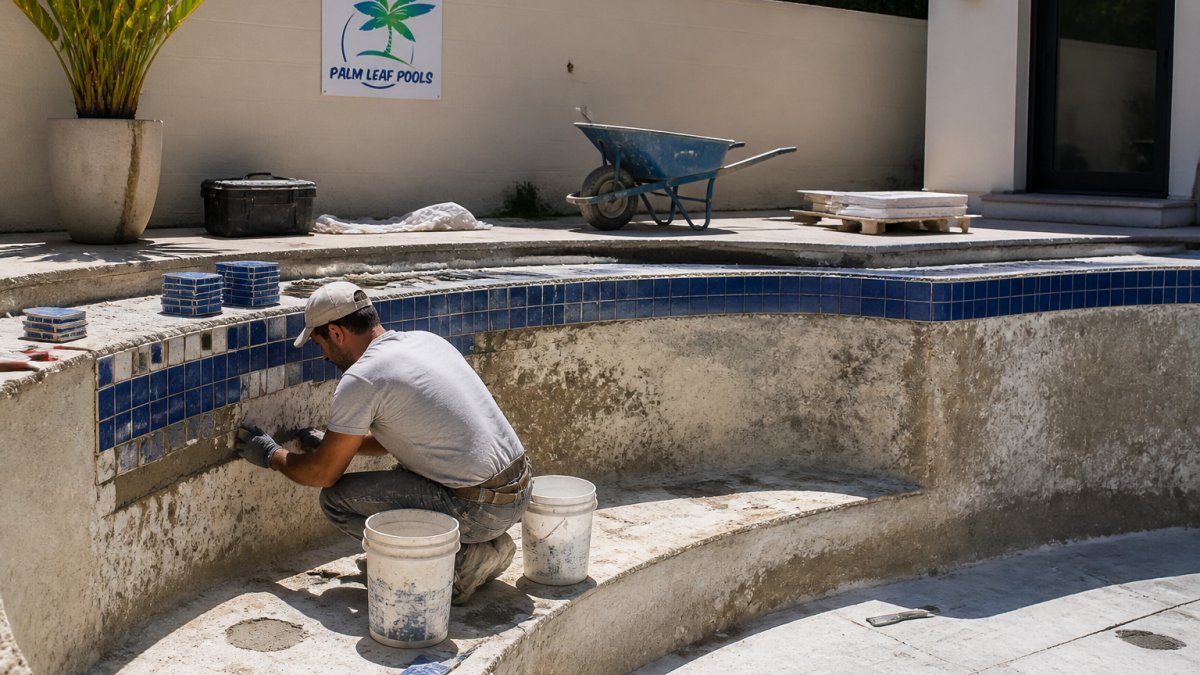
Waterline tile serves both functional and aesthetic purposes. It covers the transition zone where water level fluctuates, preventing staining and algae growth on the pool shell. Tile choices range from basic ceramic to high-end glass and stone options.
Coping, the edge material where the pool deck meets the pool wall, affects both safety and appearance. Modern coping options include travertine, pavers, concrete, and stone.
New tile borders create a visual refresh without major structural work. Adding a second color or pattern band draws the eye and updates the pool's appearance dramatically. These design upgrades often deliver outsized visual impact relative to their cost.
Understanding the Pool Renovation Process Step by Step
The renovation process involves multiple phases, each with specific requirements and timelines. Understanding the sequence helps you prepare for disruption to your backyard.
Permits, Inspections, and Code Requirements
Before any work begins, determine what permits your local jurisdiction requires. Most municipalities require permits for pool renovation, especially if you're modifying the structure, drainage, or electrical systems. Permit requirements vary significantly by location, so contact your local building department early.
Inspections typically occur at multiple stages: before demolition, after structural work, and before final sign-off. Inspectors verify that work meets current building codes, which may differ from the codes that governed your pool's original construction. Code requirements for safety barriers, drain covers, electrical bonding, and accessibility have evolved significantly over the past 20 years.
Budget 2-4 weeks for the permit and inspection process. Delays here cascade through your entire project timeline, so starting early matters.
Demolition, Installation, and Water Management
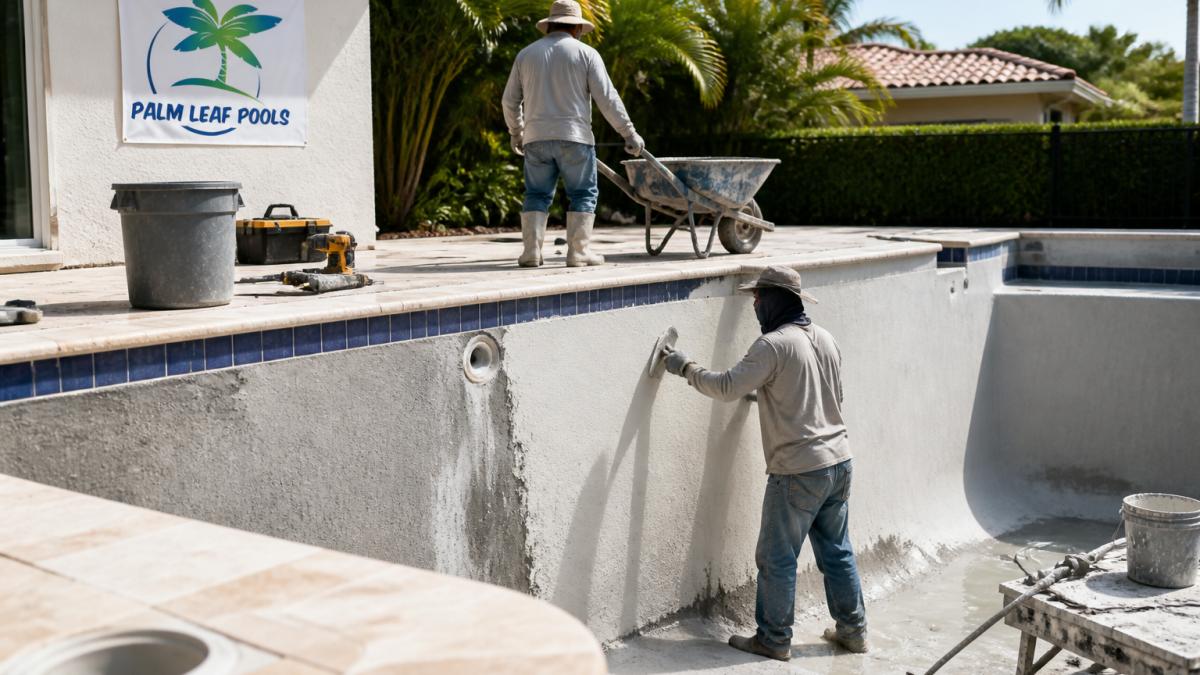
Demolition involves draining the pool, removing old finish materials, and disposing of debris. This phase can take 1-2 weeks depending on pool size and condition. During demolition, contractors assess the pool shell for hidden damage and confirm what repairs are necessary.
Installation of new finishes, equipment, and systems follows. Resurfacing typically takes 1-2 weeks. Equipment installation and plumbing work can add another 1-2 weeks depending on scope. Water management during this phase requires careful planning, you'll need access to water for refilling but can't use the pool during construction.
Proper sequencing prevents costly rework. Your contractor should provide a detailed schedule showing which tasks happen in which order and how long each phase takes.
Pool Remodel Timeline: What to Expect
Most pool renovations take 4-8 weeks from start to finish, though complex projects can extend longer. Understanding the timeline helps you plan for a backyard without a functioning pool.
Project Sequencing and Disruption Planning
Week 1-2 typically covers permits, inspections, and demolition. Your backyard becomes a work zone with equipment, debris, and limited access.
Week 3-4 focuses on structural repairs and new finish installation. If you're resurfacing, this is when crews drain, prep, and apply new material.
Week 5-6 involves equipment installation, tile work, and system testing. Activity levels decrease as specialized work narrows in scope. Water is introduced during this phase for testing purposes.
Week 7-8 covers final inspections, water balancing, and equipment calibration. Your pool transitions from a construction zone to a functioning backyard feature.
Plan for disruption. You won't have pool access during renovation, construction noise will affect your schedule, and contractors need access to your backyard daily.
Seasonal Considerations and Best Timing
Spring and early fall offer ideal conditions for renovation. Temperatures are moderate, reducing stress on new materials and allowing proper curing.
Summer renovation is possible but less ideal. Heat accelerates curing but can also stress materials. You'll be without pool access during the season you most want to use it.
Winter renovation works in warmer climates but creates challenges in colder regions. Cold temperatures slow curing, and weather delays become more likely. If you must renovate in winter, plan for extended timelines.
Avoid scheduling during peak contractor seasons. Late spring and early summer are busy times, which can delay project starts and increase labor costs.
Energy-Efficient Equipment and Long-Term Maintenance
Your renovation is an opportunity to reduce operating costs through equipment upgrades.
Variable-speed pumps reduce energy consumption by 50-70% compared to single-speed models.
Energy-efficient heaters, whether gas or heat pump models, reduce heating costs substantially.
Modern filtration systems with improved designs reduce water and chemical waste.
Commit to consistent maintenance after renovation. Regular testing, chemical balance, equipment inspection, and seasonal preparation extend the life of your investment.
Track maintenance costs and equipment performance. Knowing your actual operating expenses helps you understand the true cost of pool ownership and plan for future upgrades.
Your renovated pool can provide decades of enjoyment and add significant value to your home when done right.
Frequently Asked Questions
Is it better to remodel an old pool or replace it entirely?
The answer depends on structural integrity and your budget. If the pool shell is sound but surfaces are worn, remodeling saves 30-50% versus replacement. However, if the foundation has significant cracks, leaks, or structural failure, replacement may be the safer long-term investment. A professional inspection reveals which path makes sense for your situation.
What are the main cost drivers when remodeling an old swimming pool?
Pool remodeling costs for older pools vary based on surface type (plaster, pebble, or tile), equipment upgrades, and structural repairs needed. Resurfacing alone costs less than adding new tile or coping. Equipment replacement, pump, filter, heater, adds significant expense. Site accessibility and demolition complexity also affect pricing. Get a detailed quote that breaks down each component.
How long does a typical pool renovation take?
A pool remodel timeline typically ranges from 2-6 weeks for cosmetic updates to 8-12 weeks for major renovations involving structural work. Resurfacing alone takes 1-3 weeks. Permit approvals, weather delays, and equipment availability can extend timelines. Your contractor should provide a detailed schedule upfront, including when your pool will be out of service.
What old pool renovation ideas work best for older pools on a budget?
Cosmetic refreshes offer the best value: waterline tile replacement, coping repair, and interior cleaning restore appearance without major expense. Vinyl liner replacement is less costly than replastering. Upgrading to energy-efficient equipment spreads costs over time through lower utility bills. Prioritize visible upgrades first, then tackle equipment improvements.
Do I need permits to remodel my pool?
Yes. Most jurisdictions require permits for structural changes, equipment replacement, or surface work. Permits ensure work meets current safety codes and electrical standards. Inspections verify proper installation. Skipping permits can create liability issues and affect resale value. Your contractor should handle permit applications as part of the pool renovation process.
What should I inspect before starting a pool remodel?
Inspect the pool shell for cracks, leaks, and structural damage. Check equipment condition, pump, filter, heater, and plumbing. Assess the interior surface for deterioration, staining, or algae damage. Test water chemistry and circulation. Document existing tile, coping, and waterline condition. A professional inspection identifies hidden problems before renovation begins, preventing surprise costs.
What time of year is best to resurface a pool?
Spring and fall are ideal for pool resurfacing. Mild temperatures help materials cure properly, and contractors are less booked than summer. Avoid winter in cold climates where freezing temperatures interfere with curing. Plan resurfacing during your lowest-use season to minimize disruption. Discuss seasonal timing with your contractor to ensure optimal results.
How can I modernize an old pool on a limited budget?
Start with high-impact, low-cost updates: clean and seal the existing surface, replace waterline tile, upgrade to LED lighting, and install a variable-speed pump to reduce energy costs. These improvements refresh appearance and improve efficiency without full resurfacing. Tackle equipment upgrades over time as budget allows. A phased approach spreads costs while delivering immediate benefits.